Natural Remedies
Essential Oils:
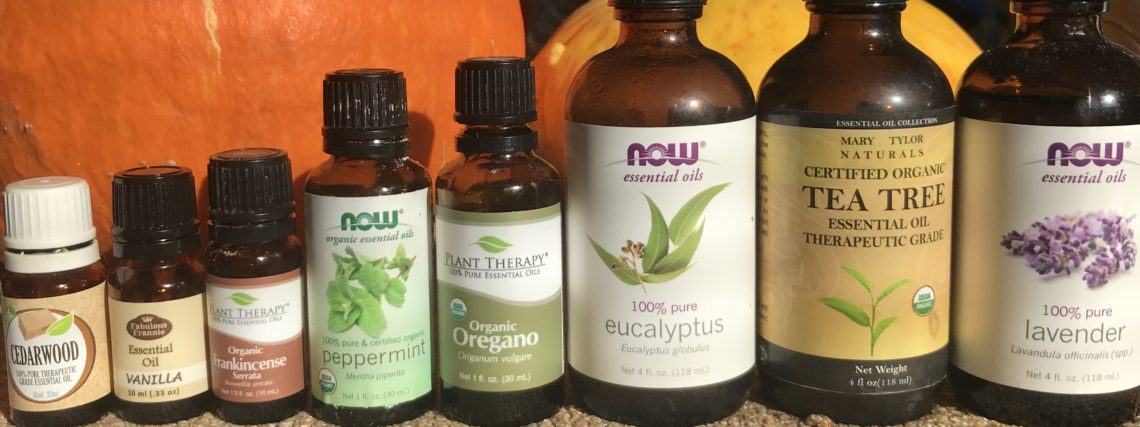
Essential oils are potent distilled extracts from plants. These plant oils are very useful in many aspects of home life. They’re extremely versatile and provide a natural way to use fragrances. However, there are a few things one should know before using essential oils.
Essential Oils: What You Need to Know
- They are extremely potent and should be used very sparingly (just a few drops at a time). Less is more when it comes to using essential oils.
- Typically, essential oils must be diluted before use. They are diluted using oils such almond, coconut, sunflower, etc. Essential oils do not mix well with water because oil and water don’t mix.
- Test a small area of your skin with diluted essential oils before applying to parts of your body to ensure no negative/allergic reactions.
- Essential oils should never be stored in plastic because they will dissolve the plastic. Glass is the appropriate storage container for essential oils. Essential oils diluted into products such as deodorant or moisturizing oil are safe to store in plastic.
- Do not ingest essential oils!
Essential Oils as Antimicrobials:
Many plant compounds are antimicrobial in nature, this is true of essential oils. Essential oils like tea tree, oregano, and clove can be used to replace store-bought antibacterial creams such as Neosporin. Tea tree essential oil is even powerful enough to kill MRSA (methicillin resistant staph aureus) and treat common external fungal infections (DO NOT Ingest ANY Essential Oil!). For treating fungal infections, oregano essential oil is also effective. For cleaning wounds, simply put a few drops of essential oil on a cue-tip or cotton ball and rub over small cuts and apply bandages as you normally would. I would not recommend doing this for very serious, deep wounds. I do not usually dilute my essential oils when used in this way but you may want to, especially if you find you are very sensitive to them. When first trying essential oils, use them sparingly and cautiously. These compounds are very strong and powerful. Below is a brief list of other ways to use essential oils as remedies for a few specific problems:
Tea tree oil: In addition to being antimicrobial/anti-fungal, tea tree can treat acne, dermatitis, and soothe bug bites. A few small drops of tea tree oil makes a great addition to your hair wash (see washing hair) to soothe scalp irritation and inflammation. If applying tea tree to large areas of the skin, such as in the case of acne or dermatitis, be sure to dilute it significantly in a carrier oil. Coconut oil is a great choice as a carrier oil for both acne and dermatitis. Always make sure to test a small amount on a patch of skin before applying to large portions of the body to avoid any allergic reactions.
Lavender, Thyme, Rosemary, and Cedar Oils: The combination of these four essential oils along with a carrier oil has been shown to improve hair growth on the scalp in a condition called alopecia areata. If you are suffering from hair loss due to this condition, you might like to try this remedy. Use a drop of each one of these essential oils and dilute them with a carrier oil. To use this mixture, mix it thoroughly. Then apply a small amount to the spot on the scalp with decreased hair growth and massage the area. This treatment would be better to do at night prior to sleeping.
Peppermint: Peppermint essential oil works great for relieving headache pain. Apply a small drop to the area of the head where you feel most of the pain and massage the oil into the skin. Be very careful not to get the oil into your eyes. I do not have to dilute my peppermint oil for this purpose but you may need to. Please test this oil on a small area of your skin before trying it on your forehead. To dilute the oil, simply mix your peppermint oil drop with a few drops of a carrier (coconut, olive, sunflower, almond, etc.).
Healing cracks on the skin:
In Scleroderma, cracks in the skin are very common. The skin on my hands will dry out much faster than other people and subsequently crack open, especially in dry winter months. If you have experience with this, you may very well know that healing these small cuts can be a challenge as they rip open repeatedly due to dryness/ tightness of the skin. I have fond an effective solution to this problem. Below are the instructions for dealing with this annoyance.
- Before going to bed, clean off the wound.
- Thoroughly dry the area and then apply a drop of tea tree, clove, or oregano essential oil mixed with a drop or two of a carrier oil (coconut, olive, etc.) to the cracked skin.
- Wipe off any excess oil from the surrounding area but leave as much as possible on the wound.
- Place a band aid over the crack and sleep on it. The next morning when you remove the Band-Aid, you will notice a lot of improvement in the skin crack.
- Repeat this process as many nights as it takes to heal the wound. This can also be done during the day—I just find it works best during the night because the bandage is undisturbed and your body is in the process of healing.
Other Natural Remedies:
Ginger: Ginger root is a wonderfully effective treatment for many types of stomach discomfort such as nausea and different manifestations of functional dyspepsia. Ginger root can be used in supplement form but I recommend using the fresh root. There are many ways to use ginger in this manner. The easiest way is to grate or chop up a small piece of peeled ginger root and add it into a glass of cold water, sparkling water, or hot water (ginger tea), mix thoroughly and drink the mixture. A slice of ginger could also be chewed, but you will likely find the flavor very strong. I recommend mixing it into a glass of water, either hot or cold.
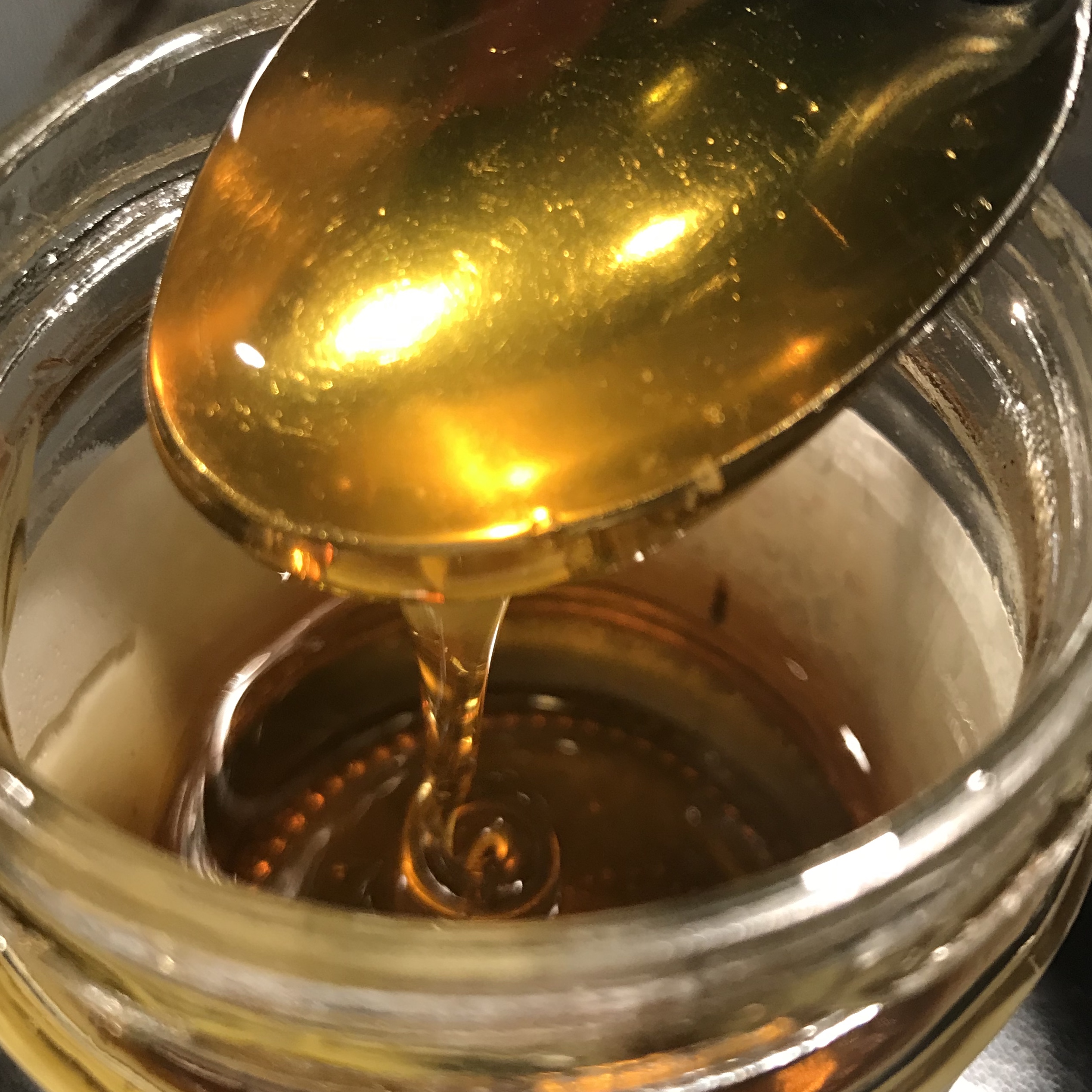
Raw Honey: The use of local raw honey to treat seasonal allergies is somewhat controversial. There is a little bit of research to support its use as a treatment for allergies, but there is far more anecdotal evidence from satisfied individuals who claim this treatment works. I am one of those people. Every spring, I get absolutely horrible allergies. I will sneeze 10 times or more in a row. Its gets so bad that I need relief or else I won’t be able to do anything except sneeze and wheeze all day! If you are like me, you may benefit from using local raw honey on a regular basis. I get my local raw honey from a farmer and beekeeper friend at my beloved Farmers’ Market. Within minutes of eating a small spoonful of raw honey, I experience relief from my allergy symptoms. I eat a small amount of raw honey every morning during the allergy season. I also find this remedy effective just by sweetening my morning tea or coffee with the raw honey. Please be sure you do not have any allergies to raw honey prior to consuming it and never give honey to infants.
Bug Repellant: If mosquitos or other biting insects are a problem for you in the warm months of the year, there is a natural solution to this problem: homemade bug repellant. Instead of using a chemical-laden mosquito spray form the grocery store, you can easily make your own with essential oils and a carrier oil. I use coconut or almond oil for this purpose. Simply mix a few drops of various essential oils into your carrier oil and rub into the areas of your skin that frequently get bitten. Essential oils to use include tea tree, lavender, oregano, rosemary, eucalyptus, and citronella. Any combination can be used and you will likely even see benefit from just one of these oils. I have found tea tree and lavender mixed together to be extremely effective. For more detailed instructions on how to make this, please see the post on it.
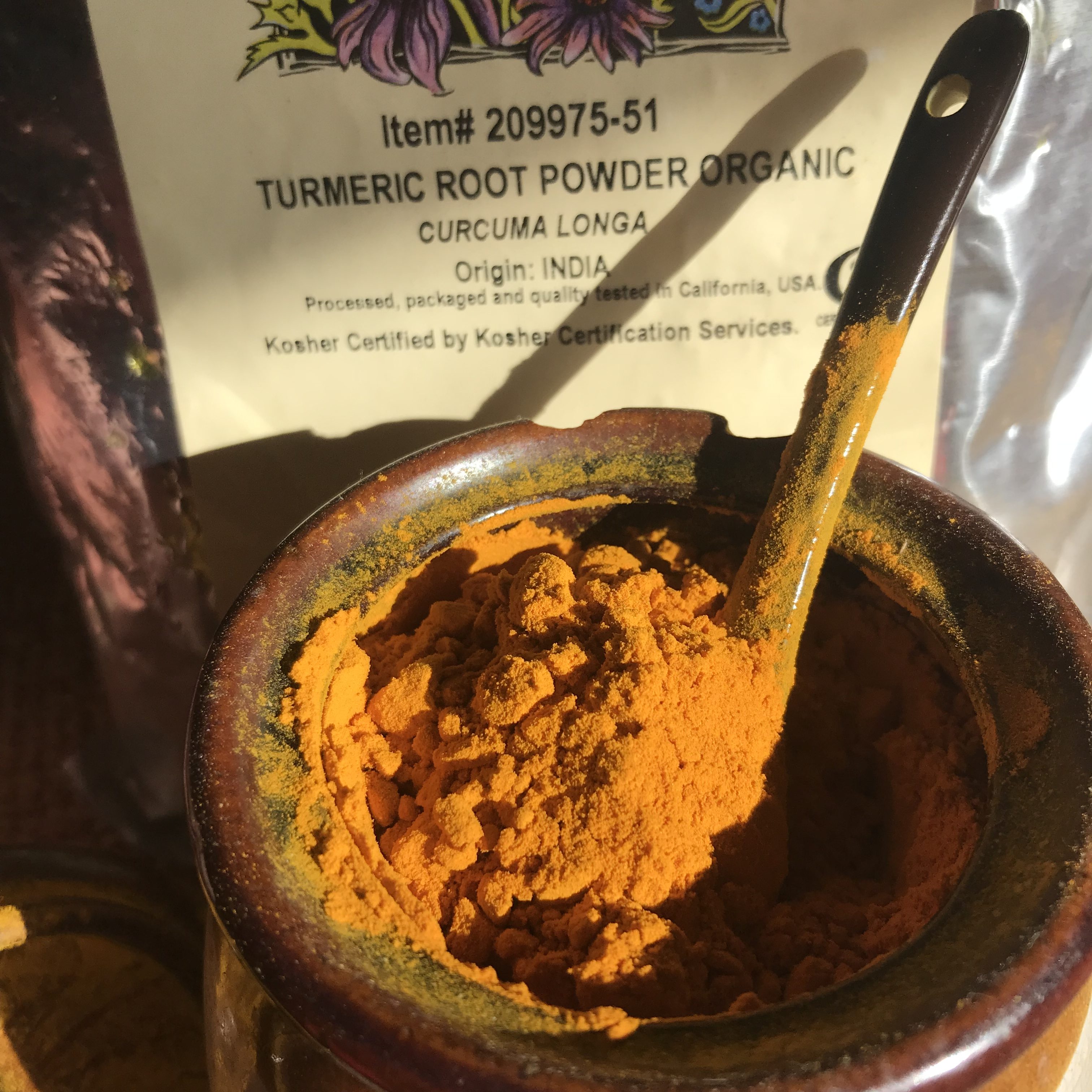
Turmeric and Burns: When you cook as much as I do, accidentally burning yourself is somewhat inevitable. Luckily, turmeric powder makes a great remedy for minor burns. Immediately after receiving a small burn, cool it off in cold water. Then, make a thick paste with cold water and turmeric powder. Apply the paste to the burn and cover it with a cold, wet paper towel or cloth. Leave this dressing on until the pain completely subsides. Periodically, you may want to rewet your paper towel/cloth with cold water. The cooling sensation of the water combined with the turmeric makes soothing burn treatment. If you take off the dressing and the burning begins again, you did not leave it on long enough. I have found this treatment also prevents blisters from forming following a burn. I highly recommend that you keep a small jar of turmeric in your kitchen just for this purpose because it really does work. For a more detailed explanation on how to do this, please see the post on it.
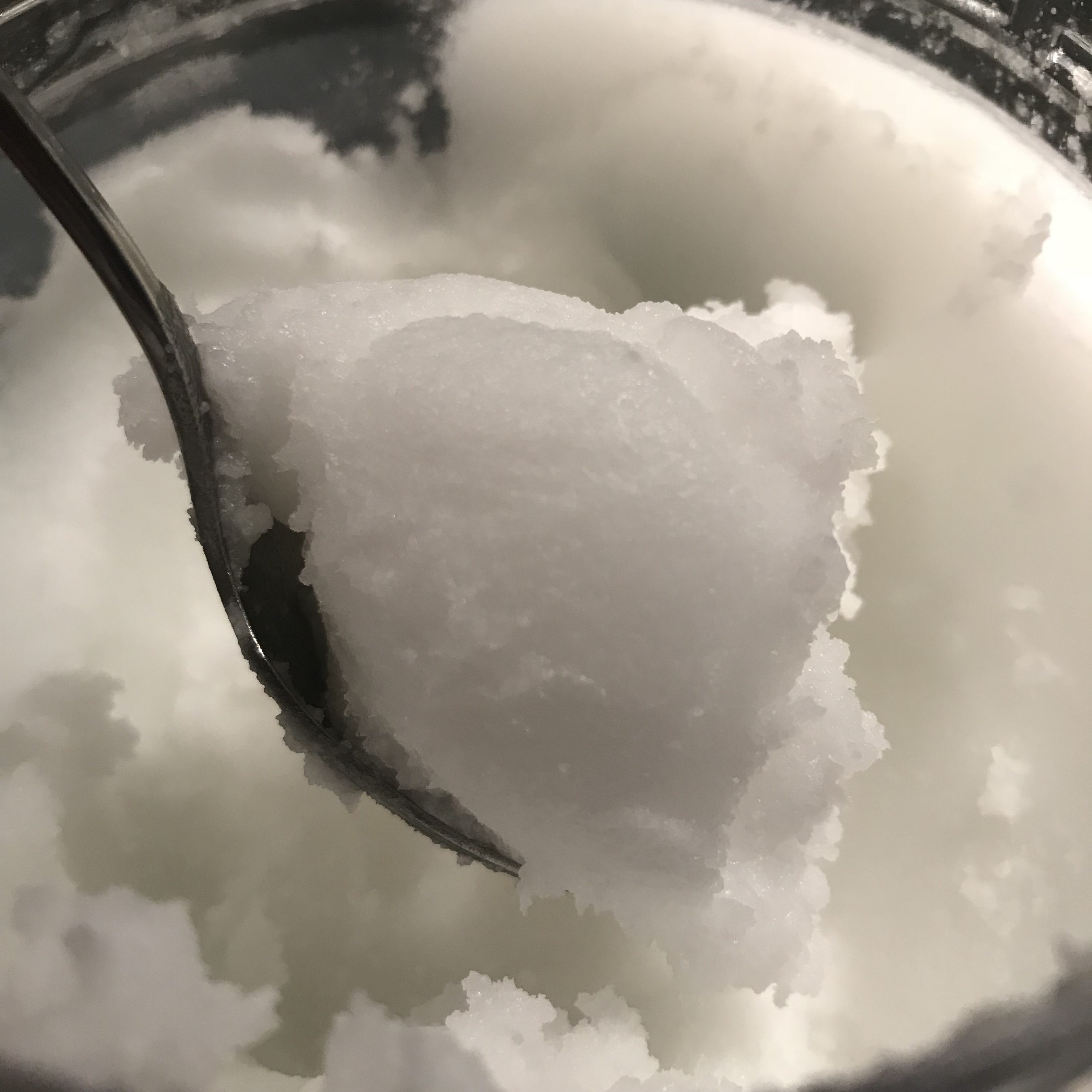
Coconut Oil: Moisturizing your skin naturally is extremely important. If you suffer from dermatitis or eczema, coconut oil is a safe treatment with good results. Daily application of virgin coconut oil to these inflammatory areas of the skin will improve them significantly and provide relief.
Caffeine: If you are suffering from a tension headache, caffeine may provide you with some relief. Many times this has worked for me. It will not work on every headache, though. If you want to try and relieve a headache using caffeine, I recommend drinking a cup of caffeinated tea or coffee. While Caffeine can relieve headache pain in some cases, I do not recommend using caffeine pills or caffeinated energy drinks. There is a limit to the amount of caffeine one can consume without adverse health effects. However, Sticking with 1-2 cups of coffee or tea to treat a headache is safe.
References
- Falci, S. P., Teixeira, M. A., Chagas, P. F., Martinez, B. B., Loyola, A. B., Ferreira, L. M., & Veiga, D. F. (2015). Antimicrobial activity of melaleuca sp. oil against clinical isolates of antibiotics resistant staphylococcus aureus. Acta Cirurgica Brasileira, 30(6), 401-406. 10.1590/S0102-865020150060000005 [doi]
- Giacosa, A., Guido, D., Grassi, M., Riva, A., Morazzoni, P., Bombardelli, E., . . . Rondanelli, M. (2015). The effect of ginger (zingiber officinalis) and artichoke (cynara cardunculus) extract supplementation on functional dyspepsia: A randomised, double-blind, and placebo-controlled clinical trial. Evidence-Based Complementary and Alternative Medicine : ECAM, 2015, 915087. 10.1155/2015/915087 [doi]
- Giacosa, A., Morazzoni, P., Bombardelli, E., Riva, A., Bianchi Porro, G., & Rondanelli, M. (2015). Can nausea and vomiting be treated with ginger extract? European Review for Medical and Pharmacological Sciences, 19(7), 1291-1296. 8750 [pii]
- Nieto, G. (2017). Biological activities of three essential oils of the lamiaceae family. Medicines (Basel, Switzerland), 4(3), 10.3390/medicines4030063. E63 [pii]