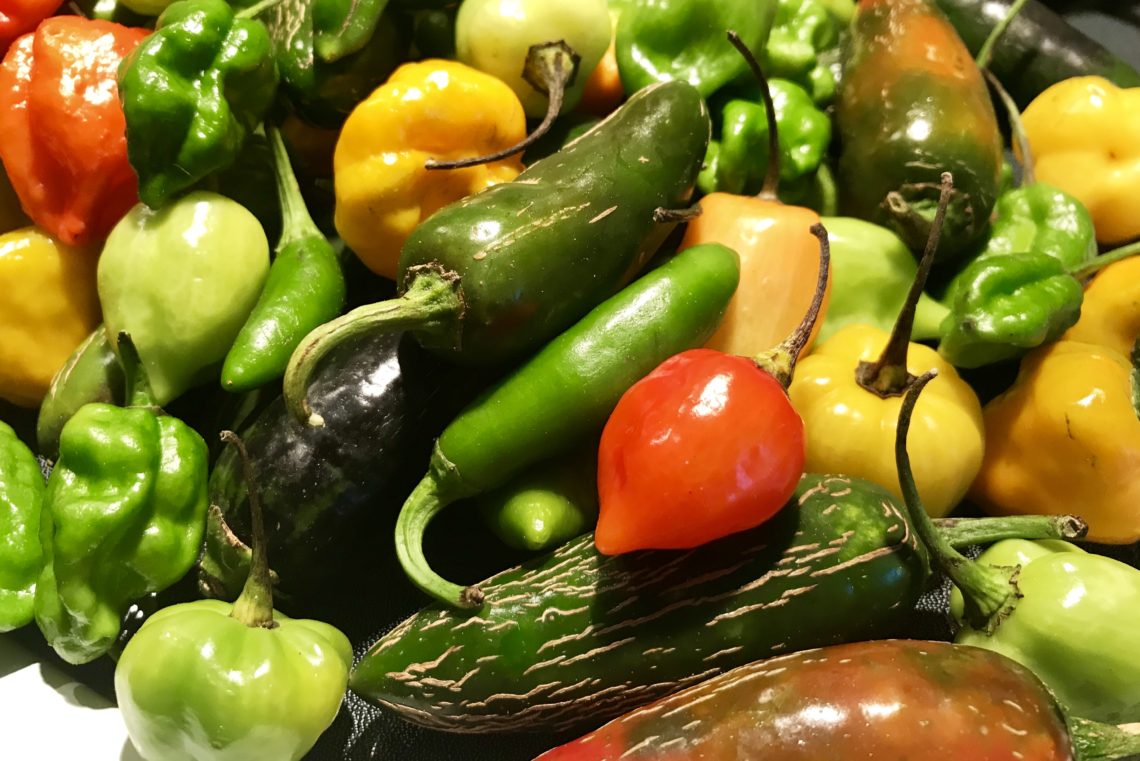
Fermented and Cultured Food
Fermented and cultured foods are an essential part of managing scleroderma symptoms and improving health. It is recommended to incorporate as many prebiotic and probiotic rich foods as possible into your diet. Probiotic foods provide nutritional benefit through their microbial content, vitamin content, increased digestibility, and increased bioavailability of nutrients.
Fermented and cultured foods may sound weird but they are actually everywhere in our daily lives. A few common examples of these foods include soy sauce, sauerkraut, kimchi, pickles, cheese, yogurt, sourdough bread, and tempeh. While these nourishing, traditional, and delicious foods are commonplace they are often not as beneficial as one might think. Many of these foods are either pasteurized or preserved with chemical additives to make them more stable for sale within grocery stores. In addition, cultured and fermented foods sold commercially are frequently created with a few isolated strains of bacteria instead of utilizing “wild” or traditional bacterial cultures and methods. These foods found in grocery stores do not provide as much health benefit in comparison to their traditional home-made counterparts because their microbial community is highly limited or nonexistent due to manufacturing practices.
Our bodies are extensively colonized by microorganisms. The collective group of microorganisms that live on and inside of our bodies are frequently referred to as the microbiome or microflora. These microorganisms are extremely small but their impact on health is enormous and previously underestimated in the medical community. Bacteria are essential to maintaining gut health and overall bodily health. The idea of taking probiotic supplements stems from this principle. The bacteria that reside in our guts dictate many aspects of health – both positive and negative. Certain species of microorganisms in the colon can increase health and vitality or contribute to health problems. Recent research has found associations between altered diversity of gut microbes and scleroderma progression. In many people with scleroderma, digestive issues are a main concern. In most instances, these digestive issues are related to changes to bacteria living within the gut, referred to as dysbiosis.
Probiotics are an effective way to improve the health of your gut. Probiotics provide health promoting bacterial cultures with the intention of regulating the balance of microbes within the gut to support health. Many probiotic supplements currently exist on the market just as any other vitamin or mineral supplement. Like many supplements, these probiotics can be costly and not nearly as effective as their natural home-made counterparts. A cost-effective alternative to buying probiotic supplements is to make your own cultured and fermented foods. This may sound daunting at first but it is extremely easy to create fermented foods and incorporate them into your daily life. Homemade fermented and cultured foods are rich sources of “wild” probiotics and B-vitamins. These foods are a great way to combat digestive issues common in scleroderma as well as malnutrition. Probiotic foods help to regulate the gut and improve digestion while also providing higher quantities of B-vitamins for absorption.
The take-home message here is that probiotics are good, but “wild” fermented and cultured foods provide a more effective, as well as cost effective, means of getting these benefits. Don’t waste money buying probiotic supplements. Instead, make cultured foods you like and get the added benefits of the nutrients in the food as well as the B-vitamins produced by the microbes.
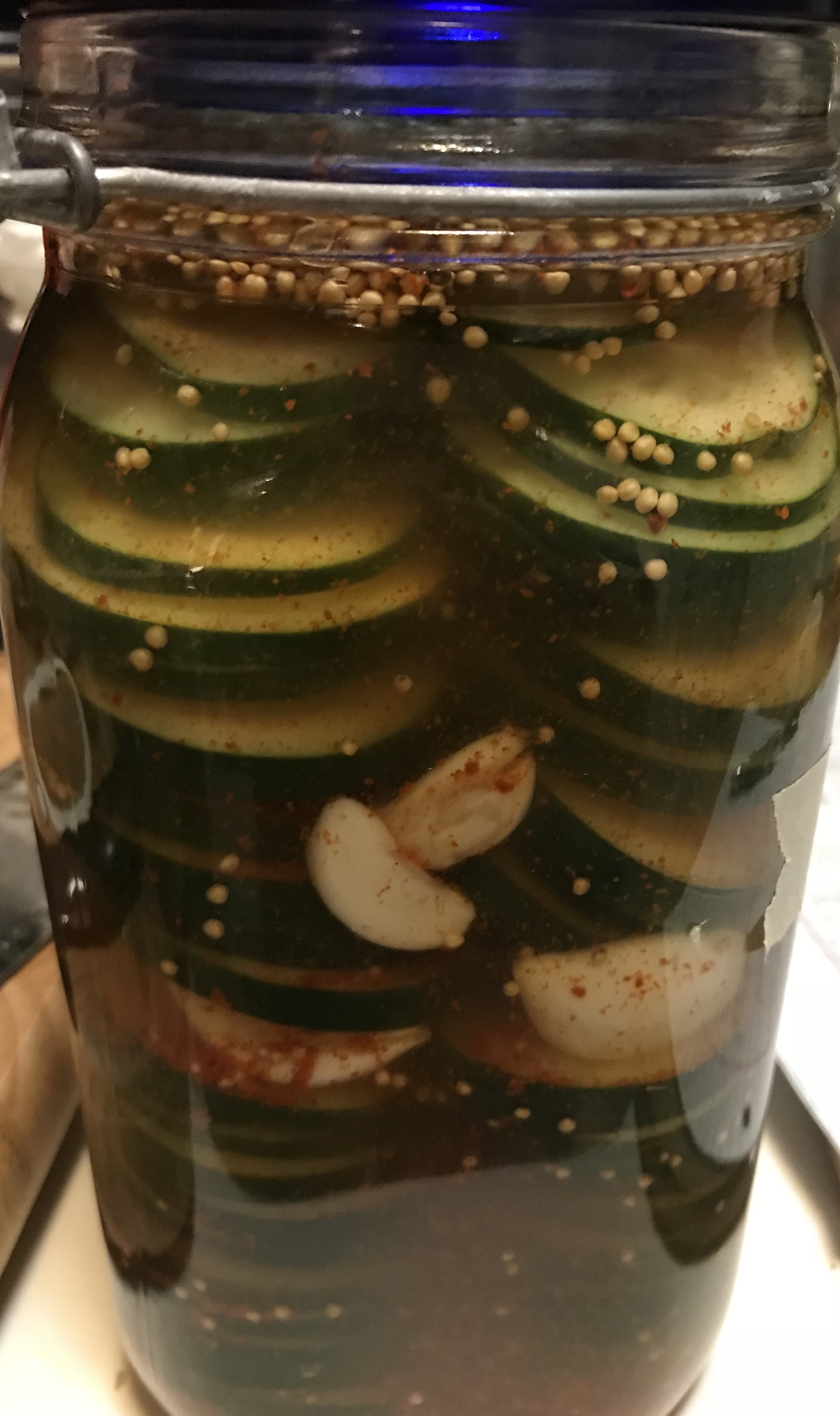
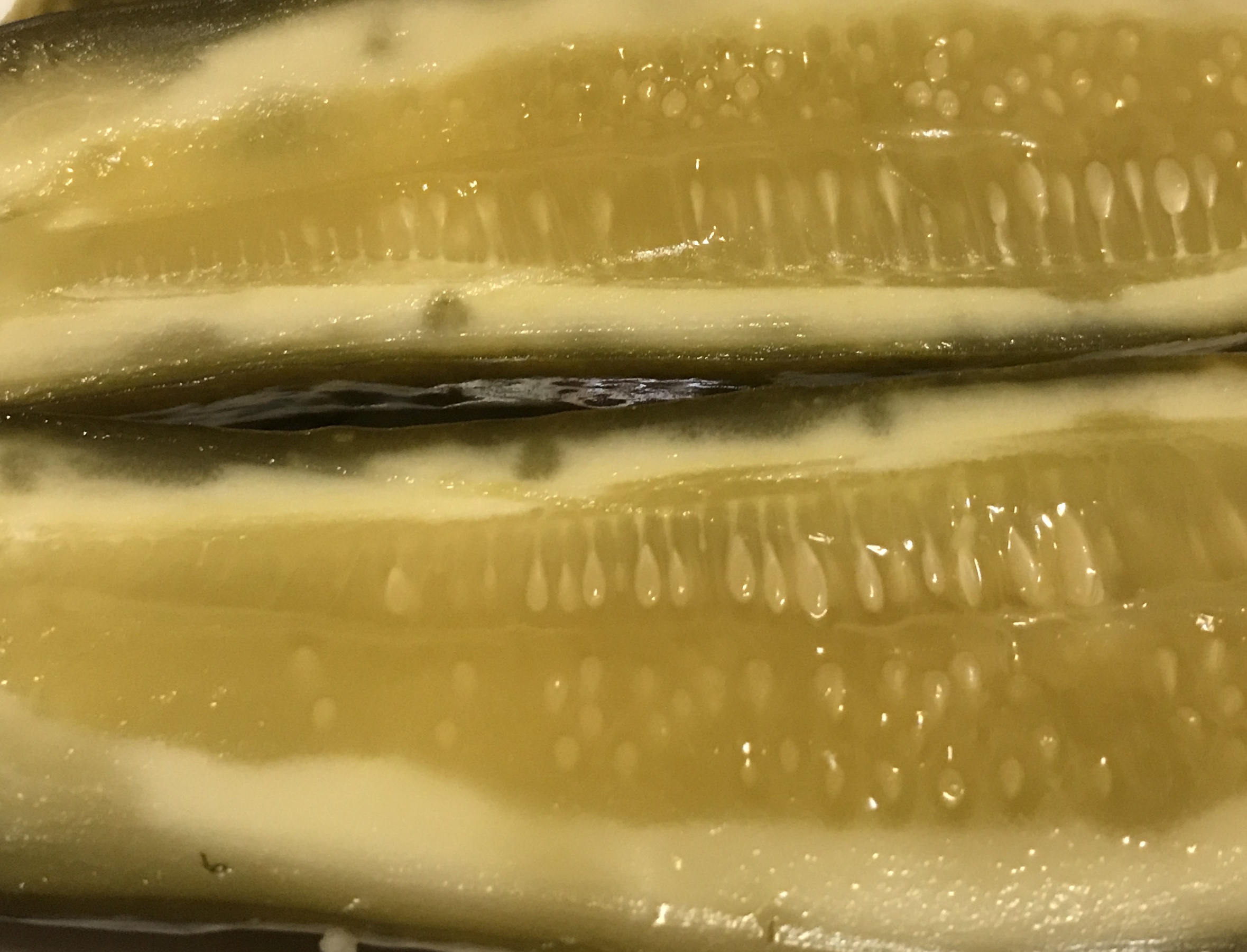
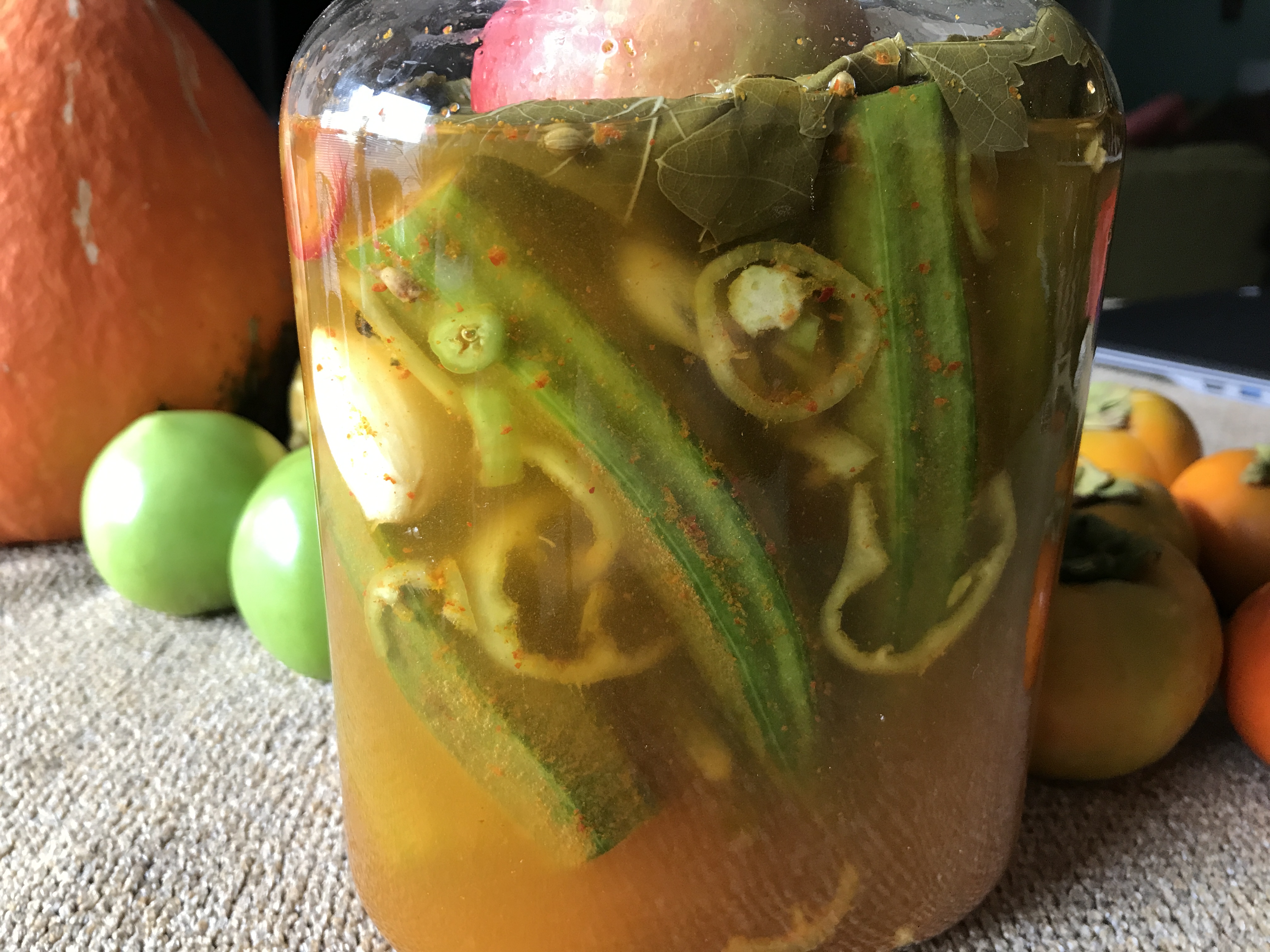
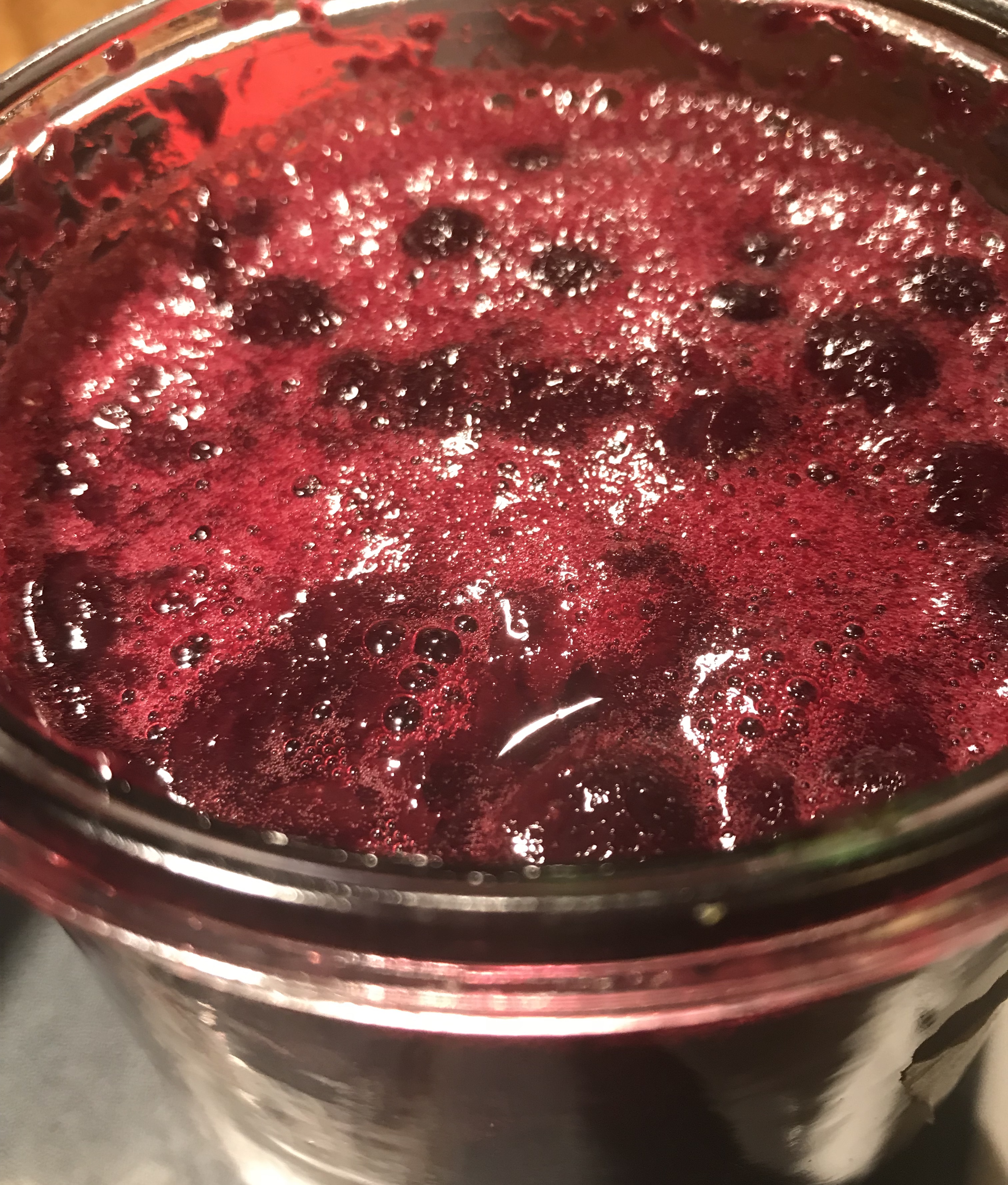
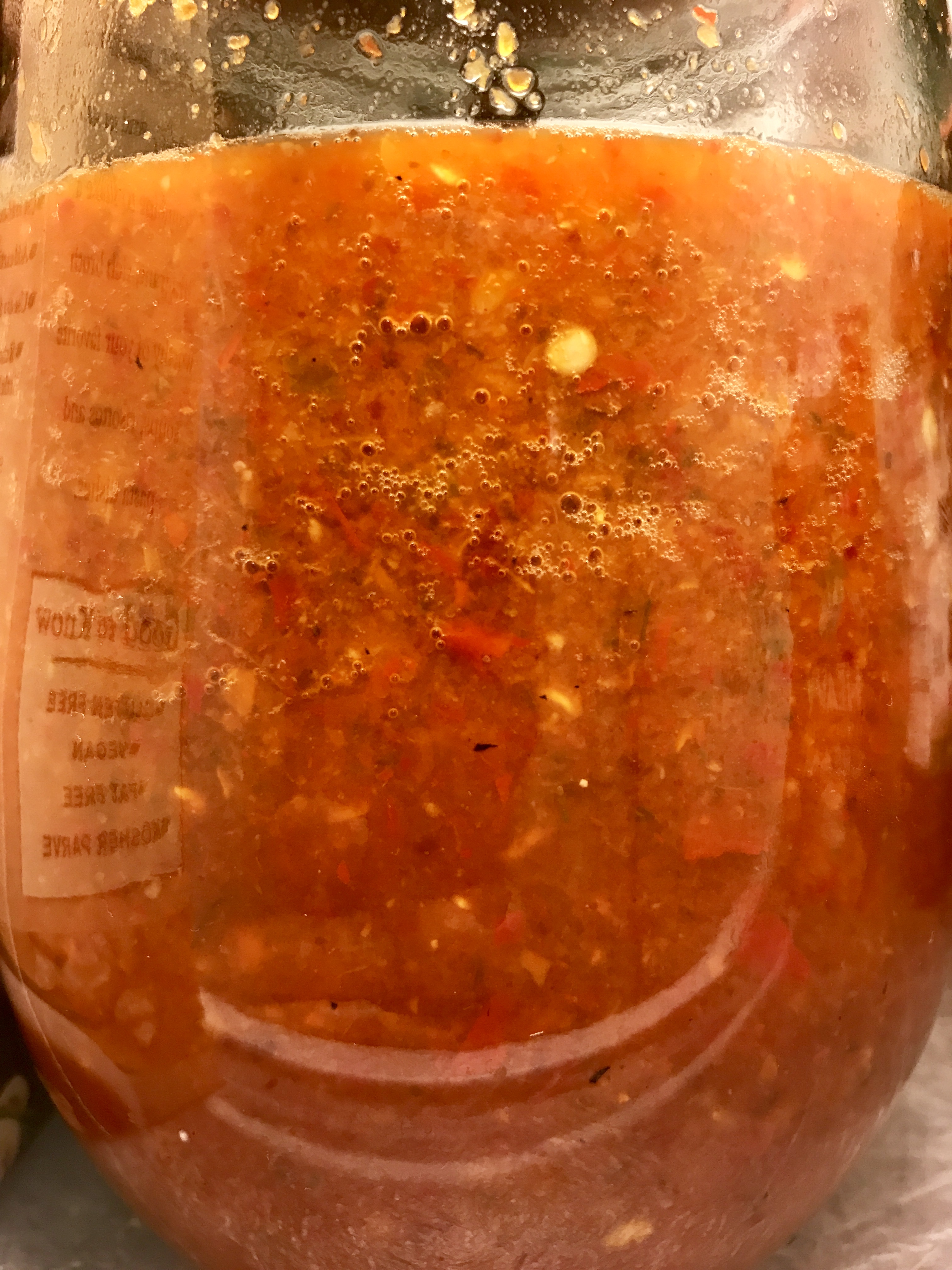
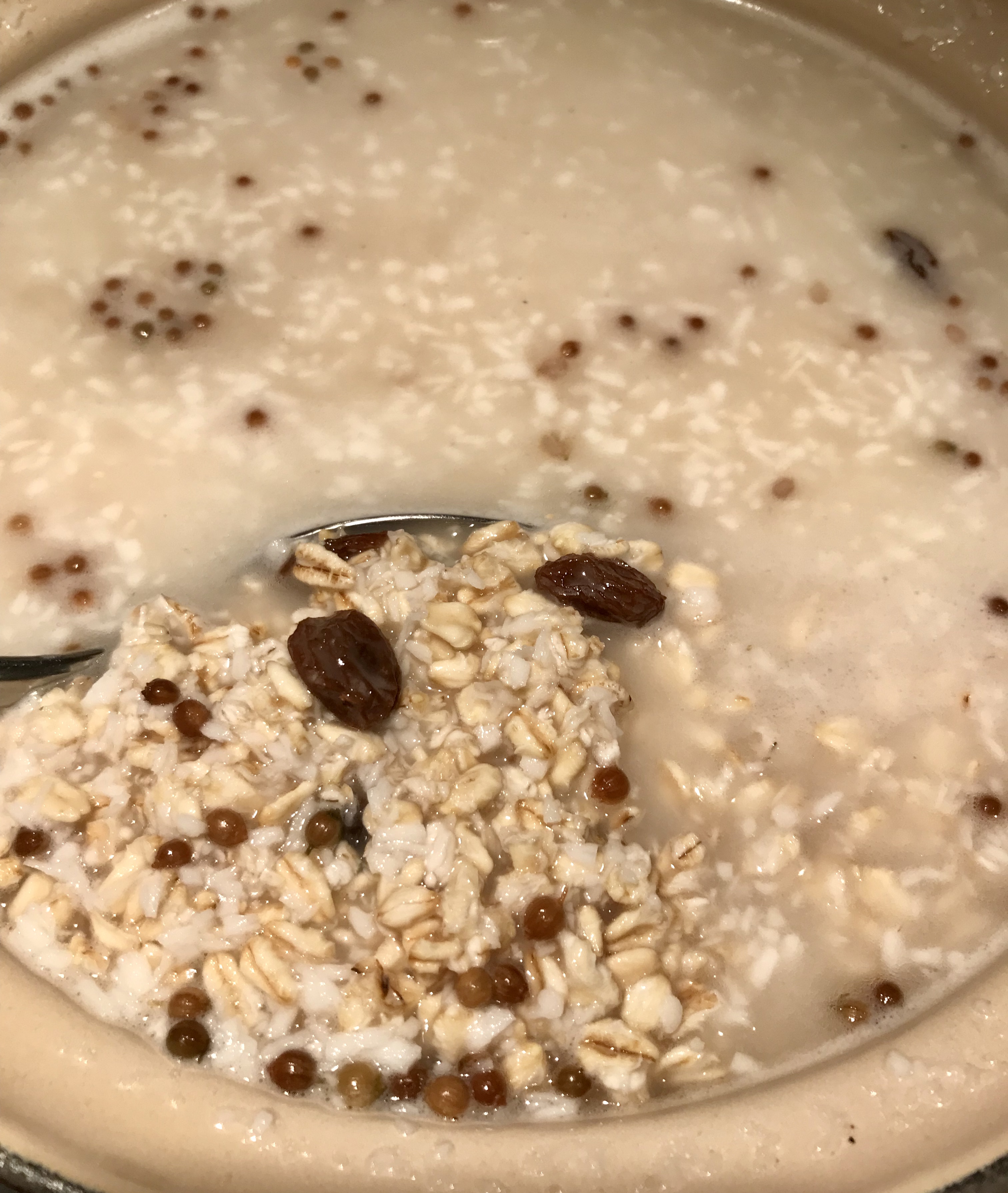
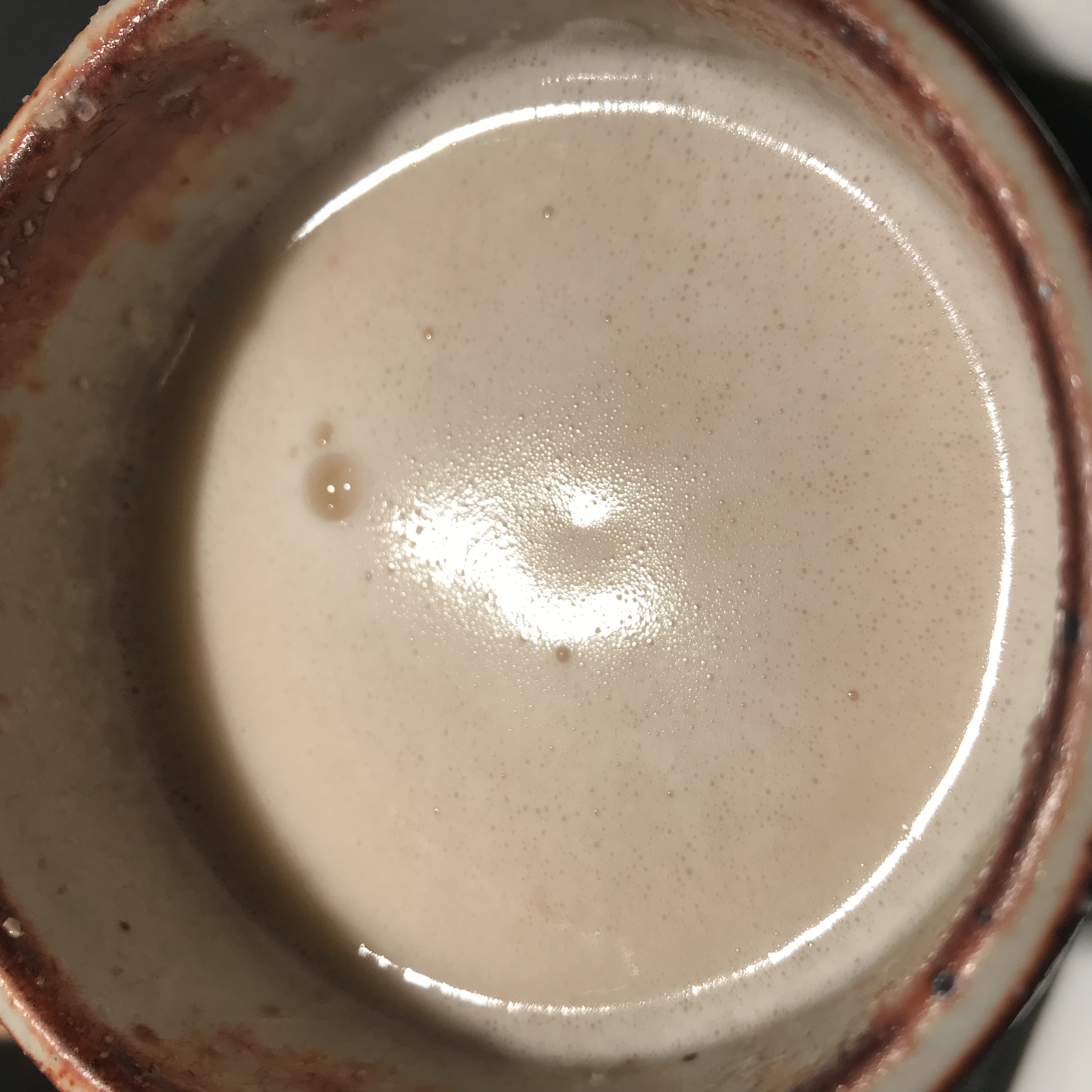
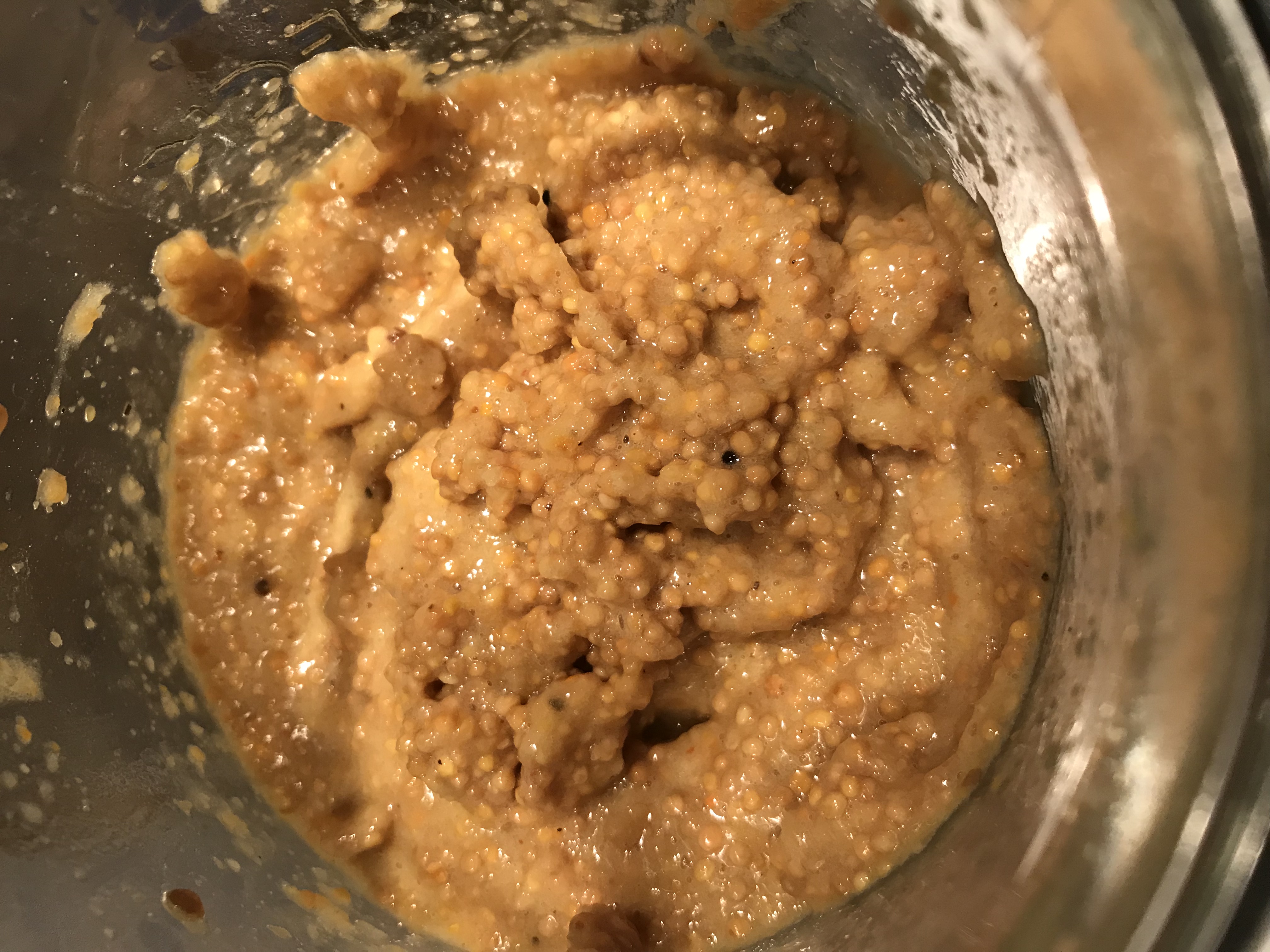
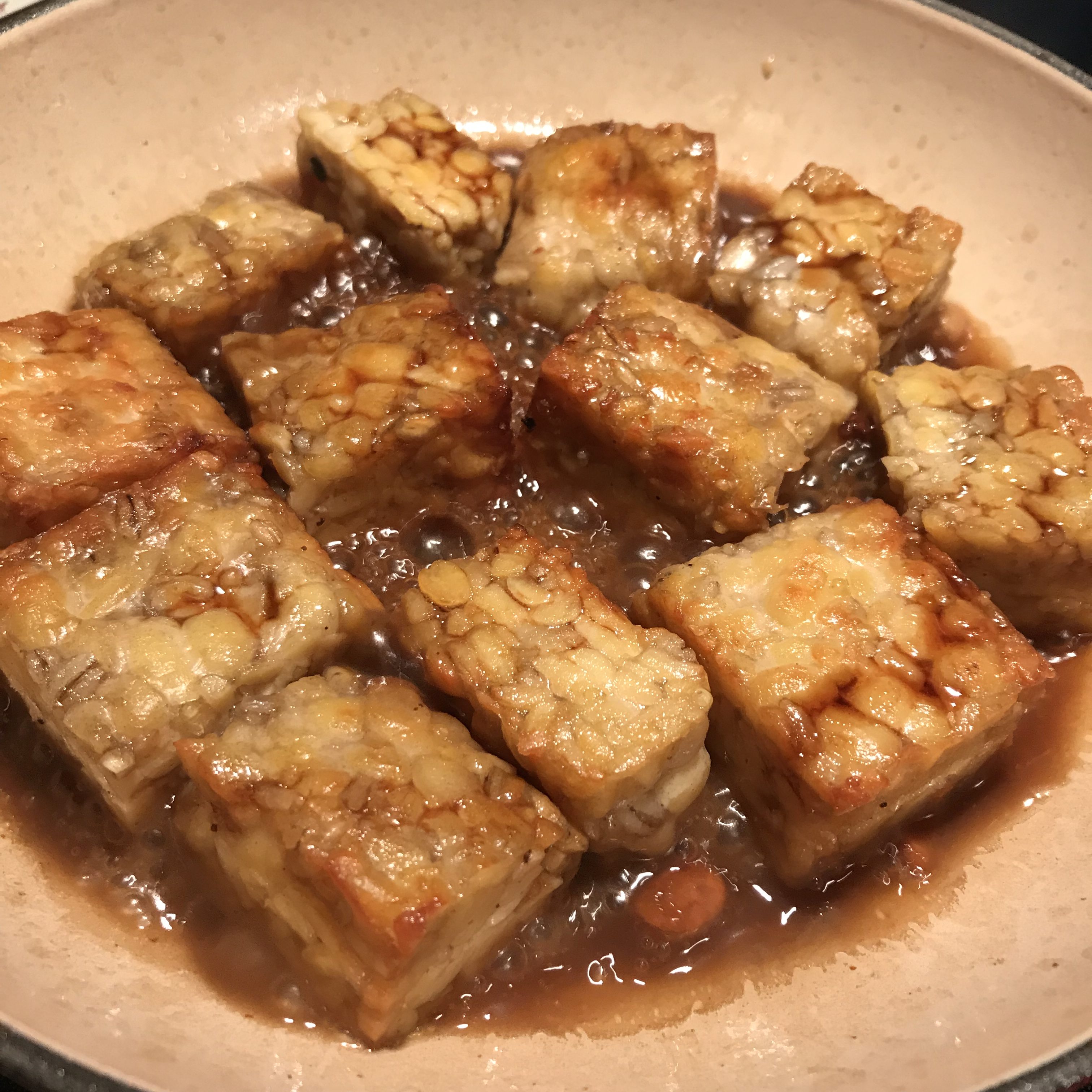
There are countless types of fermented and cultured foods. The possibilities are literally endless when it comes to creating these foods. If you are thinking about creating your own probiotic foods, check out my tips and guidelines for fermenting food (link to post) as well as the recipes I have posted(link). Below is a list of common cultured foods that are easy to make and maintain.
Common Fermented Foods:
- Sauerkraut
- Kimchi
- Pepper-sauces and flavoring brines
- Fermented herb pastes/flavorings
- Relishes
- Condiments such as ketchup and mustard
- Pickled vegetables
- Yogurt
- Milk Kefir
- Water kefir
- Sourdough and many types of baked goods
- Vegan nut or grain cheese
- Ginger-bug starter for homemade sodas
- Fermented grain, cereal, and bean products
- Fruit, honey, and/or herb tonic probiotic drinks
For more information, please see the resource section dedicated to fermented foods.
References:
- Andreasson, K., Alrawi, Z., Persson, A., Jonsson, G., & Marsal, J. (2016). Intestinal dysbiosis is common in systemic sclerosis and associated with gastrointestinal and extraintestinal features of disease. Arthritis Research & Therapy, 18(1), 278-016-1182-z. 10.1186/s13075-016-1182-z [doi]
- Volkmann, E. R., Chang, Y. L., Barroso, N., Furst, D. E., Clements, P. J., Gorn, A. H., . . . Braun, J. (2016). Association of systemic sclerosis with a unique colonic microbial consortium. Arthritis & Rheumatology (Hoboken, N.J.), 68(6), 1483-1492. 10.1002/art.39572 [doi]