Cooking and Food Storage
Yes, cooking is necessary in order to have more control over harmful dietary exposures. In the modern world, cooking seems almost unnecessary because there is so much food readily available and at our disposal. If you do not know how to cook, learning to cook may prove to be one of the most challenging aspects of the behavior change necessary to improve health and reduce Scleroderma/Systemic Sclerosis symptoms. However, there are strategies that can help make this transition easier for those who are new to cooking. As stated previously, there is not one miracle diet or miracle food that can cure illness. Do not limit yourself or set goals you know you cannot achieve. For example, if you currently don’t like kale don’t expect yourself to be able to eat a whole meals worth of it. This is a process! This will take time and effort but also a lot of enjoyment can come from cooking and eating what you have created. The internet is the most amazing resource for learning how to cook, so take advantage of it! (Link to cooking resources and recipes)
When in the process of changing your diet, you may experience cravings for foods you used to eat in restaurants or buy at the store. Instead of depriving yourself of these foods I encourage you to indulge yourself but with one requirement—you have to make the food you are craving, and make it healthier. Healthy does not mean using non-stick cooking spray and low-fat products. Healthy means incorporating the previously mentioned principles that make up Scleroderma Defiance. This includes using real, whole-foods, herbs and spices, choosing higher quality animal products, and paying attention to preventing preservatives and other inflammatory or harmful ingredients from getting into your food. More often than not this can easily be done. In my experience, I would frequently get cravings for things I considered comfort foods, and it is likely you will too. Comfort foods are often considered to be bad for us and healthy foods are accused of being bland, but neither is actually true. This may seem like a novel idea to some, but comfort foods and healthy foods can be the exact same food! Comfort foods are not inherently bad and healthful foods are far from bland. In short, you do not have to give up foods and flavors you love in order to be healthy. For more help, feel free to request a recipe from me!
Shopping: to buy or not to buy?
When cooking and purchasing ingredients continue to apply the principle of reading ingredient labels. Reading labels can help you to understand how some foods are made so you can better re-create them. Reading labels will also show you how much of the food you typically eat isn’t even real food or ingredients. With modern technology, food companies are capable of producing products that taste addictingly delicious with little, if any, nutritional value beyond containing calories by using artificial flavors and highly processed ingredients. You want to avoid these types of processed foods. In fact, this makes grocery shopping at the store so much easier because you no longer need to walk down the aisles with nothing but the processed foods. Most processed foods are found in the center aisles of grocery stores while the fresh foods are found in the outskirts along the edges of the store. You will likely find that most of the food you will be buying will come from these areas. Save time and skip the junk food aisles. This will also save you the temptation from buying things you know aren’t health promoting. For help with selecting ripe produce at the grocery store/farmers’ market, please see the guide to buying fresh fruits and vegetables in the Resources section.
Grocery store tips:
- Shop on the outskirts of the store and skip over the junk food aisles
- Purchase whole foods such as fresh or frozen fruits and vegetables
- Always read ingredient labels
- Prepare a shopping list and bring it with you
Making Food Ahead and Preservation:
Cooking always takes time but having food already prepared and only needing to be heated or taken out of a jar saves considerable amounts of time. Many foods can be pre-cleaned, pre-chopped, pre-cooked and then frozen. Having homemade foods in the freezer is enormously helpful. Consider all the types of frozen foods you find at the grocery store and now consider that you could recreate almost all of them with heathy ingredients and store them in your freezer. Doing this does take planning but having delicious pre-made food is definitely worth the investment.
When you’re cooking something you really love, take the time to make extra for freezing. Soup is one of the best things to make and then freeze for later. It usually doesn’t take much more time to make a few cups worth of extra soup. Soup freezes very well and can be heated up within a few minutes. You can even freeze entire plates of food, much like the frozen meals you fin d at the grocery store. Below is a list of common foods that freeze well. For more information, please check out a more in-depth post on freezing food for later.
- Soups and stews
- roasted veggies/ sauces
- tomato based sauces and homemade tomato paste (link to recipe),
- fresh chopped summer tomatoes
- fresh beans and peas
- homemade broth and stock
- fruit
- pre-chopped vegetables (onion, celery, carrot, bell pepper)
- baked goods (bread and muffins)
- Quiche
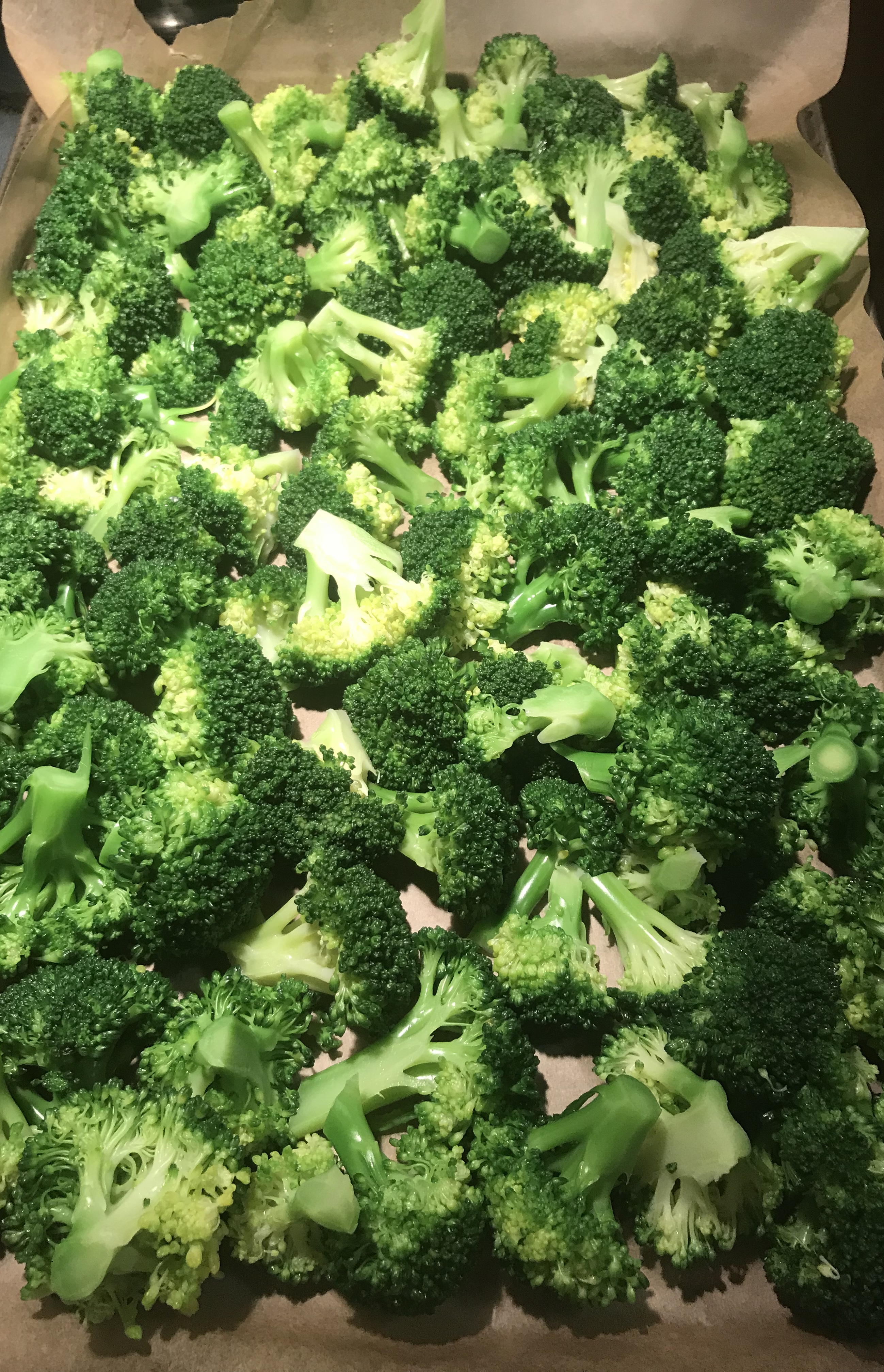
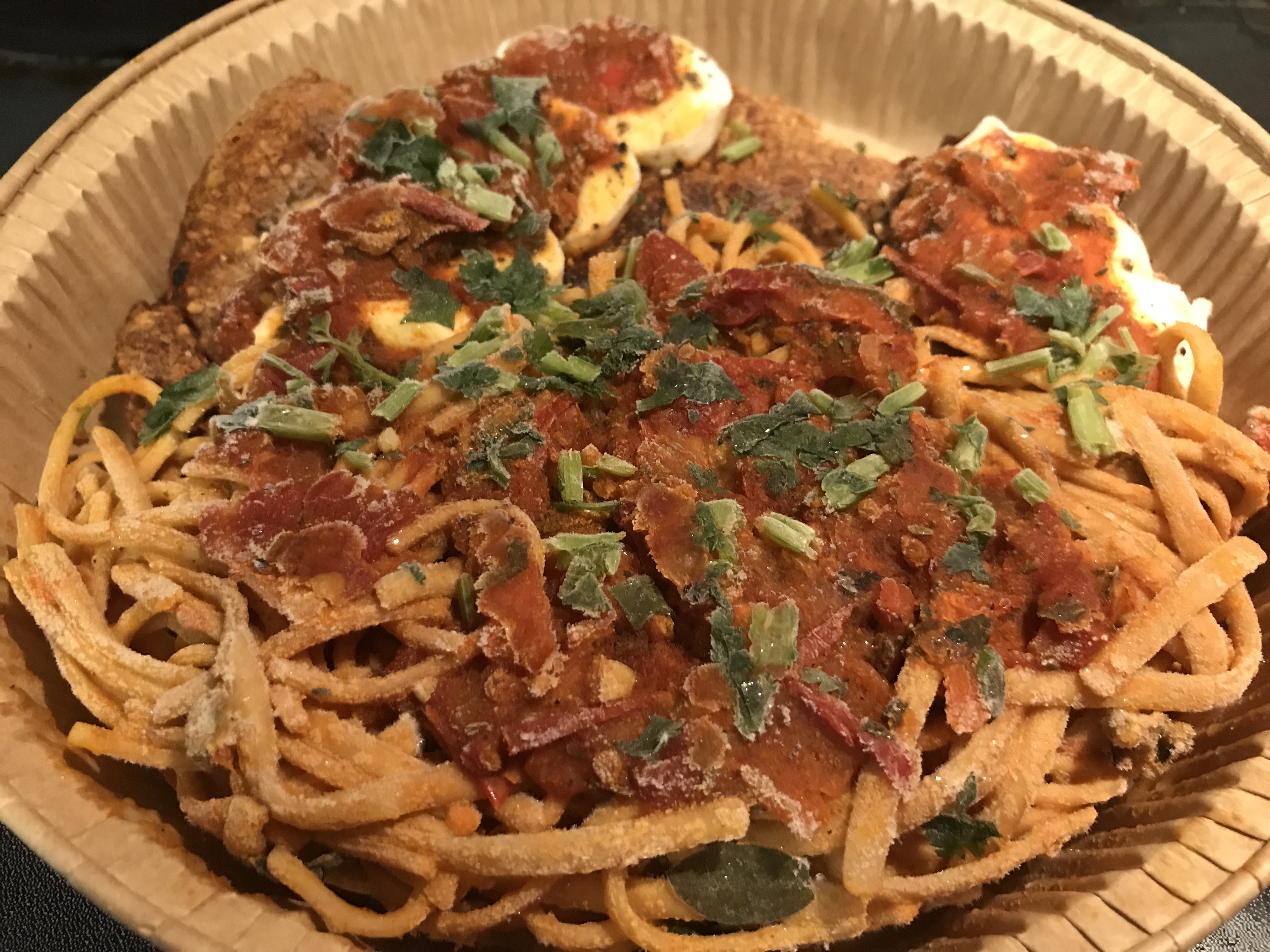
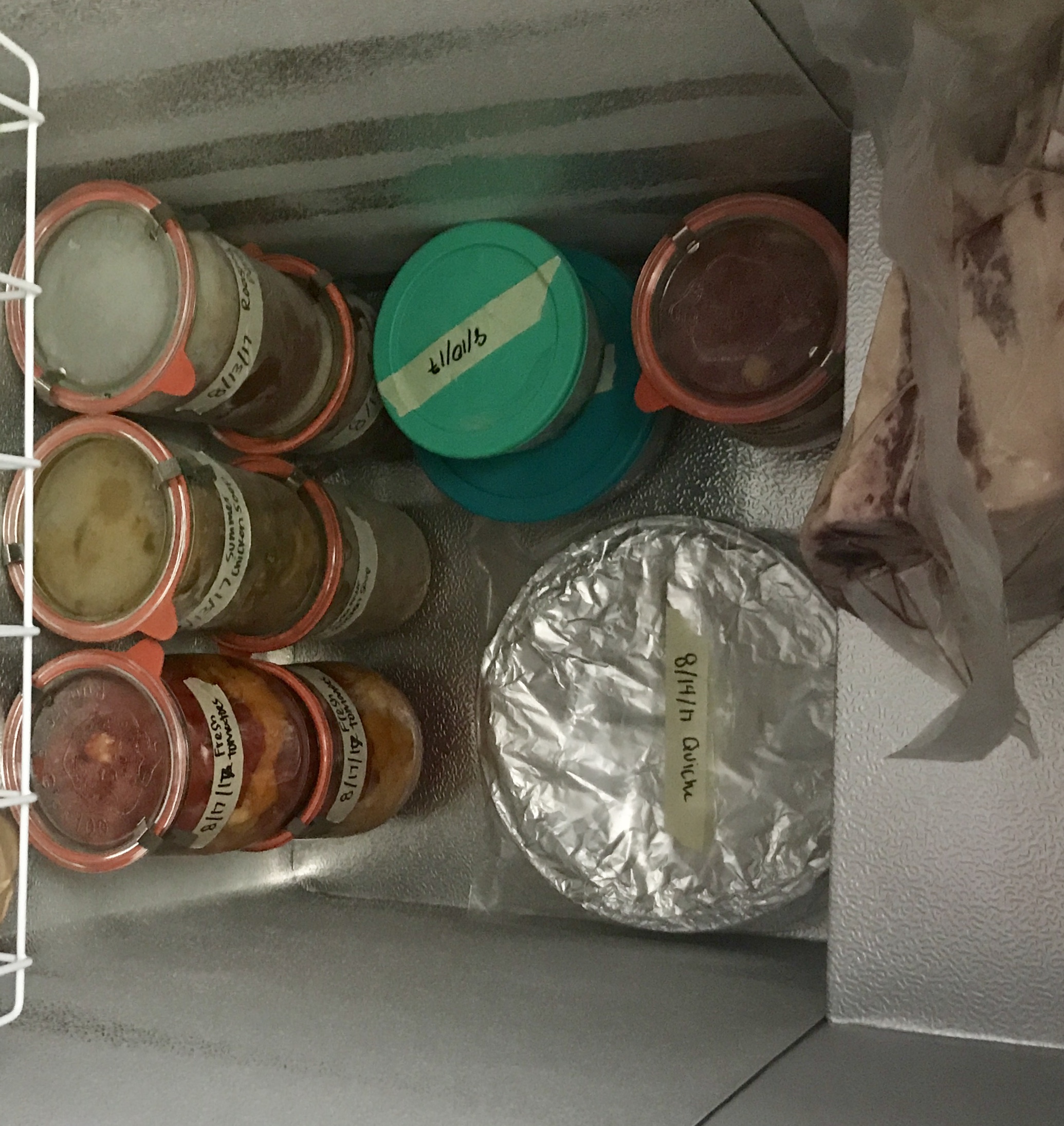
Fermentation is another great way to make food ahead of time and save it for months. Practically all vegetables are capable of being fermented as well as fruit. It is not likely you will be eating an entire meal made of fermented foods but having condiments and fermented vegetables ready to eat or add to whatever you’re cooking is extremely helpful. Many fermented vegetables make great additions to things such as grains, soups, stews, salad dressings, salads, beans and sauces. To learn more about how to start fermenting foods, check out my post on Fermentation rules and techniques, recipes, and fermentation resources from the Cooperative Extension!
Do my cooking utensils, storage containers, and pans matter to my health?
Many people don’t think about it, but the way food is prepared and stored greatly impacts its purity and nutritional value. There are certain materials you want to avoid exposing your food to, especially acidic (sour) foods. With heat and/or acidity, metals from pots and pans can leach into food. Limiting the amount of heavy metals that can leach into food is a good practice for anyone to follow. Aluminum in the form of foil, disposable baking trays, as well as pots and pans are common in modern kitchens and expose individuals to significantly high levels of aluminum. Use of aluminum in the kitchen should be avoided as much as possible or completely eliminated. Completely eliminating the use of aluminum in the kitchen is easy and as there are many alternatives to using aluminum. See list below.
It is also worth noting other materials besides aluminum are capable of leaching heavy metals into foods. Ceramic dishes should be used with caution as they often contain heavy metals in their glazes and paints, including but not limited to cadmium and lead. Both cadmium and lead have been found to occur at higher levels in the bodies of scleroderma sufferers compared to Scleroderma-free individuals.
For more information on preserving food, please see the Cooperative Extension resources.
Eliminating aluminum from your kitchen:
- Replace aluminum foil with parchment paper to line baking trays/dishes.
- It is not necessary to wrap fish or potatoes in aluminum foil to cook/steam them. These same things can be accomplished with parchment paper. Potatoes can also be baked in the oven without parchment.
- Stop using disposable aluminum baking trays/dishes. Instead, use reusable glass containers or disposable paper baking trays.
- Aluminum is commonly used in oven roasting or baking to prevent surface browning/burning of various foods. Parchment paper can be used in the place of aluminum foil for these applications.
- Check pots, pans, trays, bowls, coffee makers, and water bottles for aluminum and replace them if possible with stainless steel, glass, wood, cast iron, or enamel lined cast iron. Aluminum is usually a very light colored and light weight metal.
- Be aware that many processed foods use aluminum in the packaging material. Limit or avoid these foods all together.
Plastics are another material that should be avoided when preparing food. Like aluminum, plastics commonly leach into food and drink. Hot, acidic, and foods containing fat all have the potential to cause leaching of chemicals from plastics. Limiting use of and exposure to plastics is highly recommended. See the list below for ways to reduce this exposure.
Ways to reduce plastic exposure:
- If possible, replace plastic food storage containers and water bottles with glass versions.
- If still using some plastic storage containers, limit their use to cold, non-acidic foods such as chopped vegetables. Do not put hot and/or acidic foods into plastic.
- Cook your own food and avoid processed foods. Many processed foods are exposed to plastics during processing and manufacturing.
- After buying food that comes in plastic containers, bags, or wrap transfer the food to another container as soon as possible and/or remove the plastic wrap.
General material recommendations for cooking and storing food:
- For pots, pans, and cookware: avoid aluminum, most ceramic, and most non-stick coated pans. Stainless-steel, soapstone, and cast-iron/enamel coated cast-iron are good options.
- When using any type of coated pot/pan, avoid using metal utensils and scratching the coating. Wooden utensils are ideal for preventing scratching.
- Choose wooden spoons and cutting boards over plastic versions.
- To minimize contact with metal baking trays, line with parchment paper
- Reduce exposure to aluminum
- Reduce exposure to plastics
- Glass bowls make great storage containers
What about grilling?
Most people love to grill but the nature of grilling creates many undesirable and harmful compounds in the foods we eat. To reduce the formation and our exposure to these harmful byproducts certain strategies can be applied. As with any food or cooking process, herbs and spices contribute highly to protecting our food and bodies from harmful substances and oxidative damage. As previously stated in the section on using fruits, vegetables, and herbs, the high antioxidant content of herbs and spices are responsible for this protective effect. Combing, coating, or marinating grilled foods with spice and herb mixtures, honey, or garlic significantly reduces the formation of harmful chemicals as well as preserves the fats within foods and prevents them from becoming harmful and losing their nutritional value. For more information and some recipes please visit this article on grilling.
For charcoal grilling, the type of charcoal used and chemical additives are important to consider. Always choose natural hardwood, lump charcoal instead of charcoal briquettes, which contain chemical additives. In addition, always avoid the use of lighter and starter fluids when grilling. An alternative to these chemical starters is a reusable charcoal chimney starter. To completely avoid using chemicals, smoke, or gas, solar cookers are a great option.
Summary of grilling tips:
- Avoid using aluminum foil with grilled foods
- If you love to grill and have the resources, consider purchasing a solar- powered grill such as Solsource
- If using a charcoal grill, choose only natural hard wood, lump charcoal free of additives
- Avoid using lighter fluid and switch to a reusable device called a charcoal chimney starter
- To prevent the formation of harmful compounds on grilled food, marinade and/or coat your food in antioxidant rich herbs, spices, honey or a combination
References
- Dean, S. (2013, June 20). Is Grilling Good for You? Or Bad? Here’s What Science Says [Blog post]. Retrieved from https://www.bonappetit.com/test-kitchen/cooking-tips/article/is-grilling-good-for-you-or-bad-here-s-what-science-says
- Ferreira, F. S., Sampaio, G. R., Keller, L. M., Sawaya, A. C. H. F., Chavez, D. W. H., Torres, E. A. F. S., & Saldanha, T. (2017). Impact of air frying on cholesterol and fatty acids oxidation in sardines: Protective effects of aromatic herbs. Journal of Food Science, 82(12), 2823-2831. 10.1111/1750-3841.13967 [doi]
- Marie, I., Gehanno, J. F., Bubenheim, M., Duval-Modeste, A. B., Joly, P., Dominique, S., . . . Goulle, J. P. (2017). Systemic sclerosis and exposure to heavy metals: A case control study of 100 patients and 300 controls. Autoimmunity Reviews, 16(3), 223-230. S1568-9972(17)30014-9 [pii]
- Stahl, T.,Falk, S., Rohrbeck, A., Georgii, S., Herzog, C., Wiegand, A., . . . Brunn, H. (2017). Migration of aluminum from food contact materials to food-a health risk for consumers? part I of III: Exposure to aluminum, release of aluminum, tolerable weekly intake (TWI), toxicological effects of aluminum, study design, and methods. Environmental Sciences Europe, 29(1), 19-017-0116-y. Epub 2017 Apr 12. 10.1186/s12302-017-0116-y [doi]
- Stahl, T., Falk, S., Rohrbeck, A., Georgii, S., Herzog, C., Wiegand, A., . . . Brunn, H. (2017). Migration of aluminum from food contact materials to food-a health risk for consumers? part II of III: Migration of aluminum from drinking bottles and moka pots made of aluminum to beverages. Environmental Sciences Europe, 29(1), 18-017-0118-9. Epub 2017 Apr 12. 10.1186/s12302-017-0118-9 [doi]
- Stahl, T., Falk, S., Rohrbeck, A., Georgii, S., Herzog, C., Wiegand, A., . . . Brunn, H. (2017). Migration of aluminum from food contact materials to food-a health risk for consumers? part III of III: Migration of aluminum to food from camping dishes and utensils made of aluminum. Environmental Sciences Europe, 29(1), 17-017-0117-x. Epub 2017 Apr 12. 10.1186/s12302-017-0117-x [doi]
- Zhang, Y., Henning, S. M., Lee, R. P., Huang, J., Zerlin, A., Li, Z., & Heber, D. (2015). Turmeric and black pepper spices decrease lipid peroxidation in meat patties during cooking. International Journal of Food Sciences and Nutrition, 66(3), 260-265. 10.3109/09637486.2014.1000837 [doi]