Herbs, Fruits, and Veggies
If a diet is rich in empty-calorie foods such as processed foods, it is impossible for that same diet to also be rich in vitamins, minerals, antioxidant compounds, and fiber on a daily basis without the use of supplements (link to supplement section). In comparison, a diet rich in fruits, vegetables, and herbs can easily achieve these vitamin, mineral, and fiber needs. For management of Scleroderma, a diet high in fruits, vegetables, and herbs is recommended.
Fruits, vegetables, and herbs have high nutrient values. They contain vitamins, minerals, fiber, and antioxidants. Each of the elements previously listed play important roles in preventing inflammation and maintaining proper cellular function. Antioxidants found in these foods are of particular importance to preventing inflammation and oxidative damage. Oxidative damage is a key feature of scleroderma that drives disease progression. Eating foods rich in antioxidants prevents much of the oxidative damage our bodies experience. If oxidative damage and inflammation can be minimized in people with Scleroderma through diet, symptoms can be reduced and managed much more effectively compared with no dietary therapy.
Herbs and Spices:
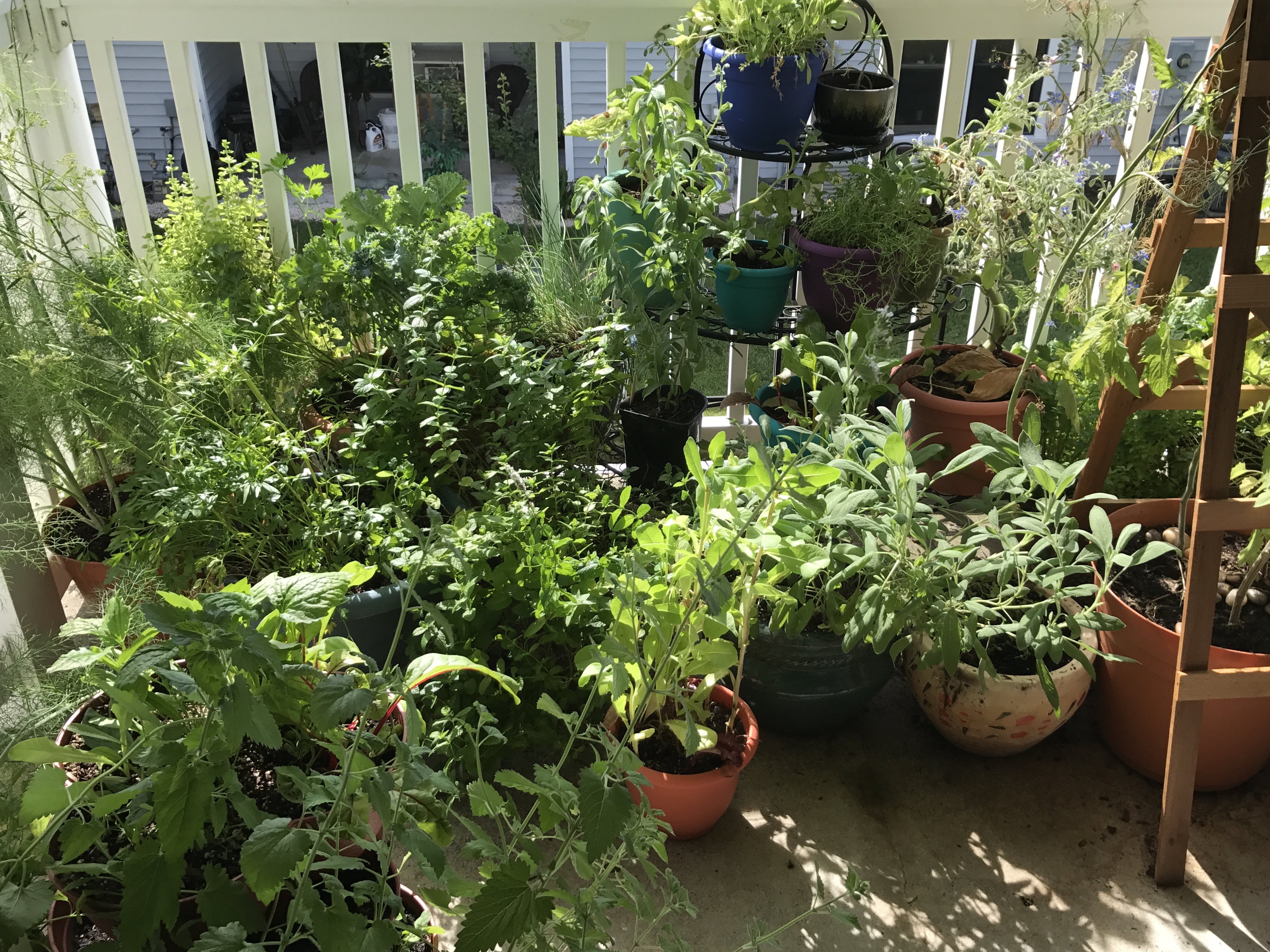
Herbs and spices contain some of the highest concentrations of antioxidants in all the plant foods. They provide not only anti-inflammatory molecules but also many vitamins and minerals. Herbs are an easy way to increase flavor of your meals while also greatly increasing the nutrition content. Not to mention, herbs also have cleansing properties. An example of this is the herb cilantro. Cilantro is capable of something called chelating. Chelating occurs when a molecule is capable of binding with metal. This is significant for Scleroderma as research has found that many people with Scleroderma also have elevated levels of heavy metals in their bodies compared to people without Scleroderma. Heavy metals are bad for all human life, so it only makes sense to try an reduce the bodily load of heavy metals that build up in our tissue over time.
Sulfur-Rich Veggies:
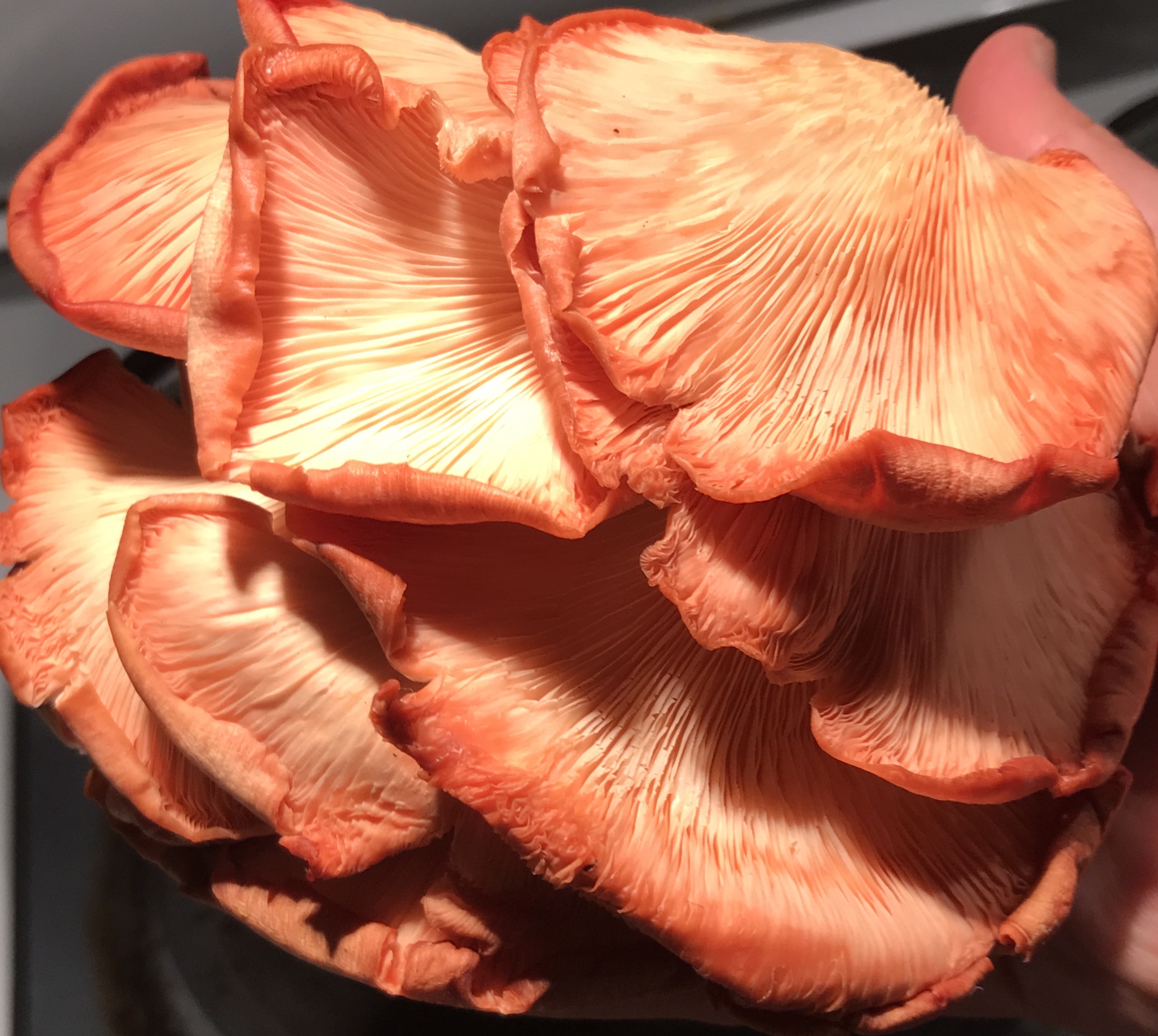
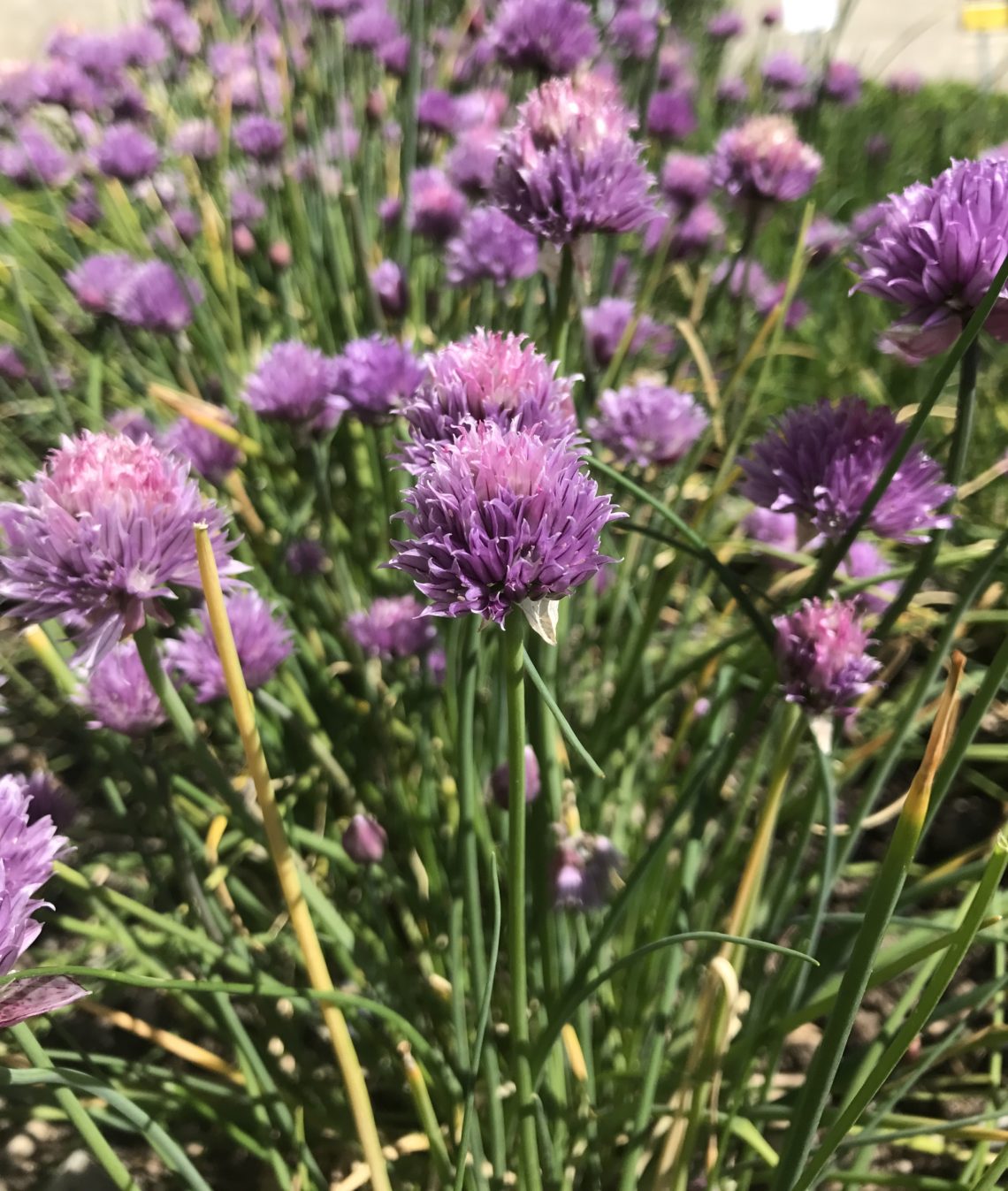
Sulfur rich vegetables, especially those in the allium family, deserve special mention in regard to Scleroderma. Sulfur rich vegetables include garlic, onion, chives, leeks, kale, collards, brussel sprouts, cabbages, and mushrooms. The sulfur content of these vegetables is essential for detoxification of the body. Every day our bodies accumulate free-radicals simply due to metabolism, daily stress, and harmful exposures. These harmful molecules build up over time and must be cleaned out. Detoxification is essential to the health of our cells. These vegetables contain key nutrients that allow our bodies to carry out many detoxification processes. Allium vegetables such as garlic, onion, leek, and chives contain a specific chemical that research has identified as being anti-sclerotic, meaning it prevents hardening of the tissues found in scleroderma. It is highly recommended to consume as many allium vegetables as possible daily.
Sea Vegetables:
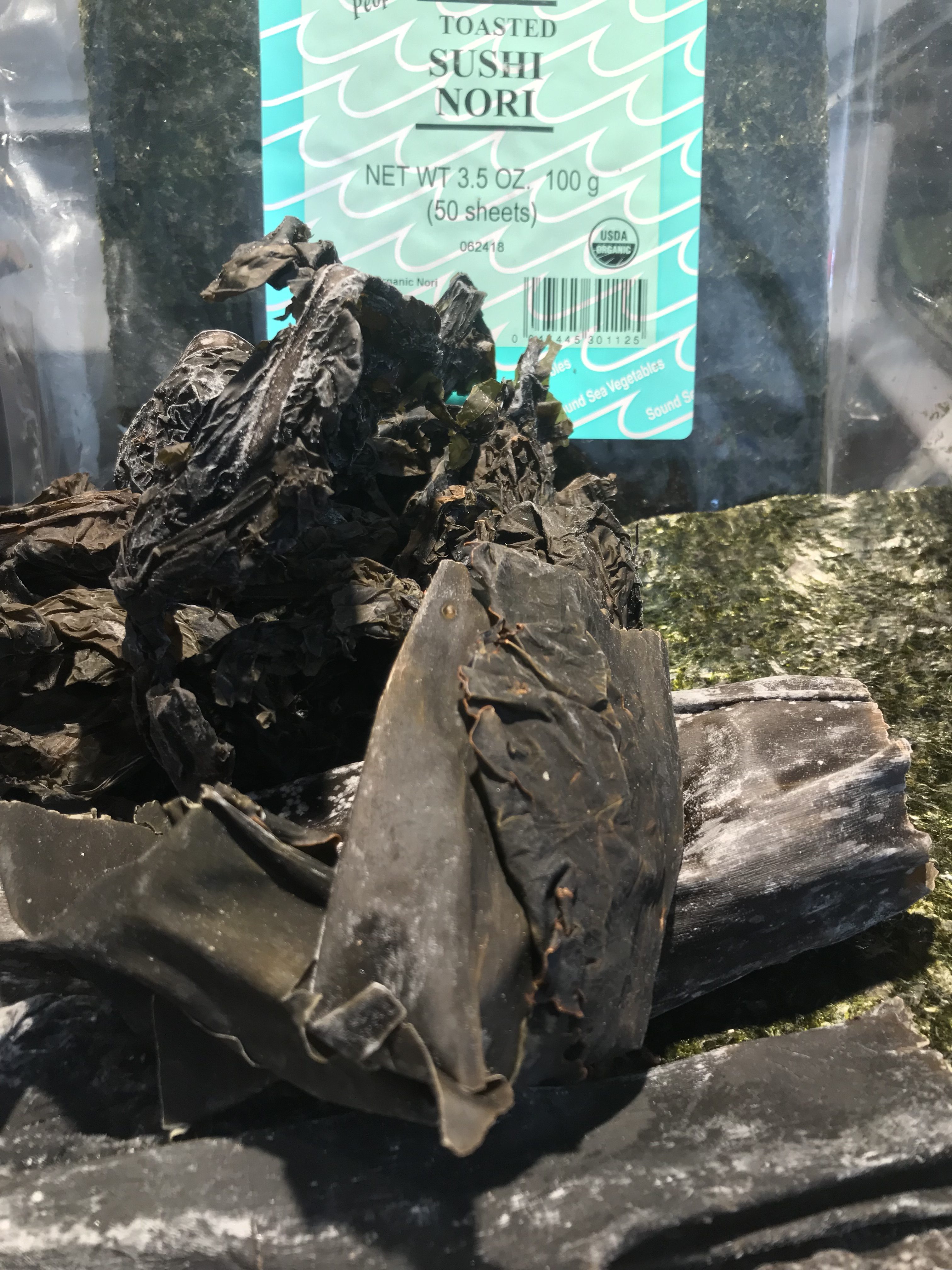
Sea vegetables are extremely nutritious but commonly overlooked in modern American diets. Sea vegetables are different types of seaweed. Typically, people experience seaweed through sushi. Seaweeds are loaded with vitamins, minerals, fiber, and the essential (our bodies cannot make these without eating them) Omega-3 fatty acids DHA and EPA. Seaweed is also extremely rich in iodine. Consuming seaweed, even just occasionally, can provide significant health benefits. Try incorporating seaweeds into your diet. This may seem challenging if you have no experience eating seaweed but it is actually very simple. You do not need to eat large amounts of seaweed to get the benefits. Seaweed can easily be added to many dishes. If you have thyroid issues, be careful not to over consume seaweed and have your doctor monitor your thyroid function due to the high iodine content. There are many varieties of seaweed but some common ones include kelp/kombu, Wakame, Nori (commonly found on sushi), Dulse, and Arame.
For more information about different types of seaweed please check out this brief article.
Fiber:
All of the foods mentioned here contain a lot of fiber. Fiber is definitely worth considering when discussing Scleroderma. Fiber contributes positively to digestive health and overall health. Adequate fiber intake is easily obtained through a whole foods diet. If you are currently not consuming fiber rich foods, it is not a good idea to dramatically increase your fiber intake over-night. Increase your fiber intake slowly. A good method is to gradually increase your fiber intake over time by eating an extra piece of fruit in a day, opting for whole-grain breads, or incorporating more vegetables into meals. When increasing fiber intake, you also must increase your water intake to avoid constipation and discomfort. Fiber helps regulate our digestion and improve the health of our gut bacteria. Fiber is essential to digestive health. If you do not eat a lot of fiber it is possible it will cause some temporary discomfort, but overtime your digestive system will change and adjust to the foods you consume. Do not let temporary bloating or constipation stop you from eating fiber rich plant based foods. In most cases, these reactions to fiber will not last once your body has adjusted to the dietary change.
A simple way to get more fiber and nutrients from the foods you eat is to leave edible skins on fruits and vegetables. Many people peel foods such as apples, potatoes, carrots, eggplant and cucumbers. These foods do not need to be peeled. They are more nutritious if the skin is left on. Just make sure these outer skins are thoroughly washed before consuming.
If you are currently suffering from severe digestive issues, take extra caution when introducing more of the foods listed here. Go slow and pay attention to what your body is telling you. If you find a particular fruit, vegetable, or grain consistently irritates your digestive system do not continue to eat it. Eat what you can and please understand that this process takes time. The dietary and lifestyles changes being advocated here are not meant to be short term, quick fixes—but instead, this is a way of life that will develop over time. Success will only be achieved if healthy diet and lifestyle are maintained throughout life and not for a short period of time. Lifestyle change has to be maintained to get lasting benefits.
Ways to incorporate more fruits, veggies, and fiber into your diet:
1) Roasted veggie sauces, roasted veggies to mac and cheese and pastas, herbs in everything, fruit in salads and snack on it during the day, veggie burgers, smoothies, frozen treats, soups/soup base, vegetable fondue. There are countless ways to do this!
2) When planning to eat fruits or vegetables, be sure to leave on edible skins to boost the nutrition and fiber of your meal
3) Herbs can easily be added to almost any food: soups, stews, salads, dressings, side dishes, main dishes, pesto, chutneys, and relishes
4) Add sea vegetables to soups, broth, stew, stir-fry, homemade sushi, spice blends, fermented foods, beans, snacking
For more help on selecting ripe fruits and vegetables, please see the resources on selecting produce
References:
- Marie, I., Gehanno, J. F., Bubenheim, M., Duval-Modeste, A. B., Joly, P., Dominique, S., . . . Goulle, J. P. (2017). Systemic sclerosis and exposure to heavy metals: A case control study of 100 patients and 300 controls. Autoimmunity Reviews, 16(3), 223-230. S1568-9972(17)30014-9 [pii]
- Marut, W., Jamier, V., Kavian, N., Servettaz, A., Winyard, P. G., Eggleton, P., . . . Batteux, F. (2013). The natural organosulfur compound dipropyltetrasulfide prevents HOCl-induced systemic sclerosis in the mouse. Arthritis Research & Therapy, 15(5), R167. 10.1186/ar4351 [doi]