Organic and Grass-Fed
Why Choose Organic?
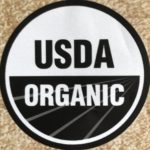
When choosing food products, in many cases, organic products are the better choice. Certified organic products are safer products to buy because they are held to higher standards of growing and processing. Organic products typically contain fewer additives and are produced under better conditions compared to conventional food products. However, even though organic products may contain fewer additives you still have to read ingredient labels. Organic products are not completely additive free or always healthy. You have to be an informed consumer and read the ingredient label to find out what your product is made of. When it comes to fresh produce, reading an ingredient label is usually not an issue. Organically grown produce is grown with fewer pesticides, herbicides, and synthetic ingredients. Growing practices are improved with organic farming of any kind. Organic produce and foods are typically considered to be more expensive compared to non-organic but this is not always the case. Sometimes organic products are more expensive but many times they are more affordable or equivalent. This also depends on where you shop.
Discount grocery stores like ALDI have great prices for delicious organic fruits and vegetables. Local Farmers’ markets are also great places to find high quality fruits, vegetables, and meats. Many local farmers, even if they are not organically certified, grow produce with fewer pesticides. If you can afford organic foods and they are available to you, take advantage of them. Just remember to keep reading ingredient labels and assess products for quality despite organic certification. It is also worth noting that just because something is not organic, does not necessarily mean it’s a bad product. If you cannot buy organic fruits and vegetables do not feel that non-organic produce has no nutritional value. Fresh produce, either organic or non-organic, provide significant health benefit. In most instances pesticide residues can simply be washed off produce.
Organic, Grass-Fed, and Pasture-Raised Animal Products:
If you choose to eat meat and animal products, there are a few things you should be aware of. Like any other food you eat, you should assess the meats you eat for quality and nutritional value. With a disease such as Scleroderma/Systemic Sclerosis, it is essential to reduce exposure to toxins and harmful chemicals. Toxins from diet and environmental exposures build-up in animal tissues over time. Many pesticides and herbicides are both considered toxins and are detrimental to human health. By choosing certified organic animal products, the risk for potential toxin contamination is significantly reduced. Animal products from animals raised humanely, in natural conditions, with high quality feed will consequently be more nutritious compared to most conventionally produced animal products. Many consumers are unaware of how conventional animal products are produced and how disturbing it truly is. Aside from being horrifying, factory animal farms heavily use antibiotics, cheap feed, and growth hormones. These are bad practices that contribute to health problems. For example, the foods a cow eats will ultimately determine the quality of its meat and milk. Heavy use of antibiotics ultimately results in antibiotics being found in the meat of the cow and its milk. Ingesting these antibiotics is not good for human health. The bacterial colonization of the human body (also known as the micro-biome) is essential form maintaining overall health—even mental health. When antibiotics are regularly consumed, harm is done to our microbiomes. Conventionally raised animals are typically fed low-quality feed with disturbing additives such as arsenic and polyethylene plastics. Not to mention, the fat content of conventionally raised meats are more inflammatory due to their cheap soy, corn, and grain based diet. Organic regulations forbid the use of these ingredients in animal feed and ensure more humane practices for the animals. An example being greater access to grazing and foraging. Allowing farm animals to eat more naturally results in healthier animals. A cow that is fed grasses will have a different fat composition compared to conventionally raised cows that are fed corn and soy feed. The cow fed grasses will have more anti-inflammatory fats called Omega-3 fatty acids compared to the corn and soy fed cow.
Organic, free-range, pasture-raised, and grass-fed animal products are healthier products in general. However, the terms free-range, pasture-raised, and grass-fed can sometimes be misleading or a marketing trick. These terms are currently not regulated in the same way as organic certification. This does not mean that all products labeled with these claims are fraudulent. Instead of beginning a search at the grocery store for these types of animal products, look locally for small farms. There are many small farms that are dedicated to these practices even if they are not organically certified. As a consumer, you can easily assure the quality of your animal products if you know the farmer and are able to see the animals in their living space and ask questions. If you are looking for grass-fed cow milk, a great product is the 100% Grassmilk sold by Organic Valley. Organic Valley products can be found in many grocery stores throughout the United States. The cows that produce the Grassmilk are only fed grass and organic molasses and are never fed any grains. I personally contacted the company to ensure the quality of their Grassmilk products.
For more information on organic products, please see the links below:
- https://www.ams.usda.gov/sites/default/files/media/Organic%20Livestock%20Requirements.pdf
- https://www.ams.usda.gov/rules-regulations/organic
- https://www.nal.usda.gov/afsic/organic-productionorganic-food-information-access-tools
- https://www.usda.gov/media/blog/2012/03/22/organic-101-what-usda-organic-label-means
Types and Cuts of Meats:
If possible, purchase organic, grass-fed, or pasture-raised meats. These products will contain higher amount of beneficial fats and lower levels of toxins and chemicals that accumulate in tissues. The most nutrient dense and often overlooked part of an animal is its organs. If consuming animal products, it is highly recommended to eat organ meats. Organ meats seem scary to many people but they are extremely delicious and nourishing due to their high nutritional value. Historically, organ meats have been an important part of human diets. It is only recently that many humans have since rejected organ meats. By far, organ meats are the most nutritious part of an animal. In a disease such as scleroderma, where malnutrition and nutrient deficiencies are common, it is even more important to ensure adequate nutrition is maintained through diet.
Bones and feet are not usually referred to as organs but I encourage you to experiment with these parts to make your own broth. Poultry feet and pig feet make wonderful collagen rich broths. When you purchase meats, try to purchase pieces with bones so you can save them to make your own broth. Simply remove the bones before or after cooking and put them in a freezer bag or container and freeze them until you have enough veggies scraps and bones to make a broth. Doing this will give you more for what you payed for. In addition, many cuts of meat are cheaper when purchased whole because you do not have to pay for the processing or butchery fee.
Have an open-mind and seek out high quality organ meats, if you choose to eat meat. Below is a list of organ meats to try. Please remember that only healthy animals will provide you with healthy animal products, so please try to find organic, grass-fed, and free-range animal products. Also check out some of the recipes featuring organ meats! (link to recipes)
Organ meats to try: Also known as offal (pork, chicken, beef, turkey, duck, goose, lamb)
- liver
- heart
- kidneys
- pancreas
- tongue
- feet (makes bone broth very rich in collagen)
For more information, please check out this article on organ meats!